


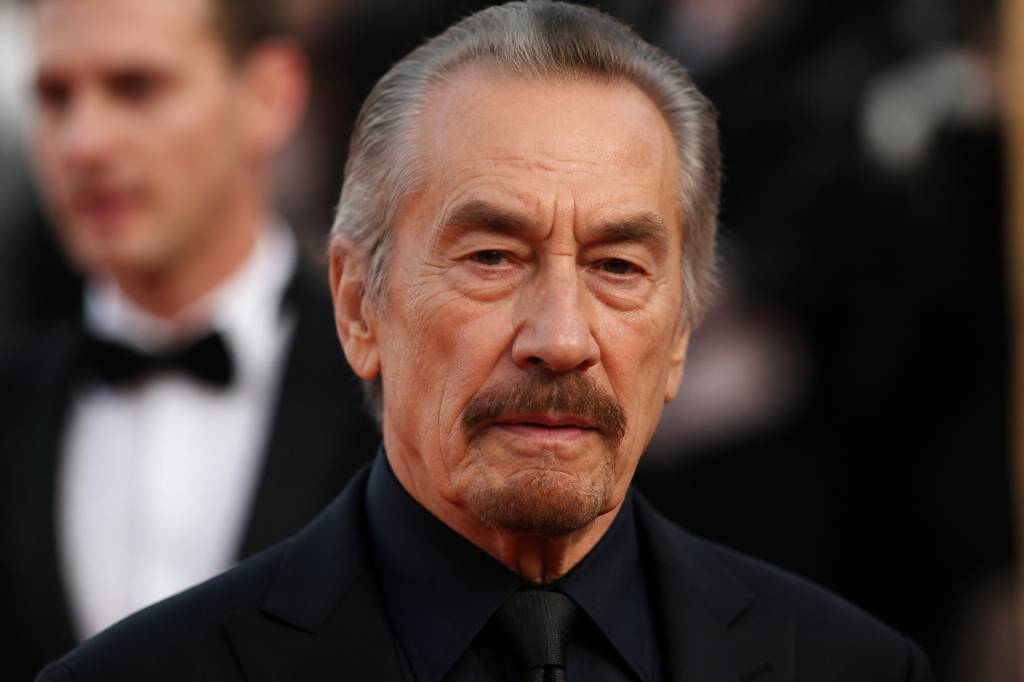
The death of a screen actor tied to the James Bond franchise always lands harder than a routine celebrity obituary. The 007 films are not just another movie series; they are one of the most recognisable brands in global entertainment, stretching across generations, political eras and shifting public tastes. When news breaks that a Bond actor has died, the reaction is rarely limited to fans. It spreads quickly through film circles, broadcasters, social media and the wider public, because Bond remains one of the few characters that still feels shared.
In the latest round of reactions, the tone has been familiar: tributes first, then retrospectives, then the inevitable reassessment of the actor’s place in the franchise. That sequence tells you something important about Bond itself. The films are often discussed in terms of spectacle, box office and casting speculation, but when one of the actors dies, the conversation turns more human. The debate shifts from who played Bond best to what the role meant, and what it cost in public expectation.
Why the death of a 007 actor draws so much attention
James Bond is not a niche character. Since the early 1960s, the franchise has become a cultural reference point in Britain and far beyond. The character has been reinterpreted through different decades, but the public memory stays remarkably durable. That means actors connected to the role, whether they played Bond himself or a major supporting part, often become part of film history in a way that extends well beyond their individual careers.
There is also a simple reason the reaction is so immediate: Bond actors are often visible across multiple generations. A viewer who first encountered the franchise through VHS tapes, another through streaming, and another through a cinema release may all recognise the same performer. That shared recognition creates a rare kind of mainstream grief. The reaction is not only about the person who died. It is also about what people remember watching, where they were, and how the films marked a period of their lives.
That explains why tributes tend to focus on both the actor’s work and their public image. In the case of Bond, those two things are tightly linked. The franchise thrives on polish, style and myth-making. Actors associated with it are often remembered not only for a performance, but for an era.
The immediate response: tributes, memories and the internet’s verdict
Within hours of a Bond actor’s death being reported, the usual pattern emerges. Co-stars, directors, broadcasters and fans begin posting memories. Many of these tributes are brief, but they are often strikingly consistent: “gracious,” “charismatic,” “professional,” “funny,” “a privilege to work with.” That vocabulary matters. It tells us how the industry remembers performers when the cameras are off.
At the same time, online discussion tends to split in two directions. Some users post scenes, interviews or still images. Others use the moment to revisit ranking lists and franchise debates. Which Bond was the best? Which film aged well? Which supporting performance deserved more attention? The internet, naturally, cannot mourn without forming a bracket.
That can sound glib, but it is also part of how popular culture now processes loss. The archive is immediate. Fans no longer wait for a documentary or a newspaper obituary to revisit a career; they can pull up clips instantly. The result is a flood of remembered moments, many of them surprisingly precise. A line delivery. A stunt. A scene in a casino, on a train, in a snowy fortress or under a volcano-sized budget.
The best reactions, though, are the ones that go beyond nostalgia. They remind audiences that a Bond actor was often working inside a machine larger than any one role. A strong performance in that setting required discipline, timing and a clear sense of how to leave an impression without overpowering the franchise itself.
What the latest coverage tends to focus on
When news organisations report the death of a 007 actor, the coverage usually follows a clear structure. First comes confirmation: the age, the date, the family statement if one is available, and any reliable account of the cause of death if it has been disclosed. Then comes the filmography, with Bond given special emphasis but rarely treated as the actor’s only achievement.
This is important. The most responsible reporting avoids flattening a career into one famous credit. Many actors linked to Bond built long résumés across theatre, television and film. Some were character actors with decades of work behind them. Others were former models, stage performers or international stars who found that Bond became the role the public never forgot.
Coverage also tends to revisit the specific film or films that made the actor memorable. That can include production details, box office performance and the critical climate at the time. Was the film a success on release? Did critics appreciate the performance immediately, or did admiration come later? Was the actor introduced during a period of transition for the franchise? These questions help explain why reactions today are often more nuanced than simple praise.
In practical terms, readers want three things from this kind of news:
- confirmation of what happened from reliable sources
- a reminder of why the actor mattered to the franchise
- an explanation of how the public and industry are responding
That is a sensible expectation. Celebrity death coverage can become melodramatic very quickly. Good reporting keeps the focus on verified facts and avoids exaggeration.
Bond actors and the burden of being remembered for one role
There is a paradox at the heart of playing a famous character like James Bond. The role can elevate an actor to global recognition, but it can also become a permanent label. For some performers, that is a blessing. For others, it can narrow public understanding of their range. When they die, the obituary often reopens the question: were they bigger than Bond, or did Bond define them too completely?
In truth, the answer is usually both. The franchise is so dominant that it can eclipse other work, even when the actor has had a substantial career elsewhere. But the Bond films also reward a specific kind of screen presence: composure, wit, timing and the ability to suggest danger without announcing it. Those qualities often serve actors well in other genres too.
This is why reactions to a Bond actor’s death often become a kind of second career review. Fans rewatch other projects. Critics compare early and late performances. Broadcasters rerun interviews where the actor speaks, often with dry humour, about the oddity of fame. And somewhere in that process, the public gets a fuller picture of the person behind the tuxedo, the villain’s lair or the MI6 briefing room.
What fans are saying now
Fan reactions are usually the most revealing part of these stories. They are less polished than official statements and more emotionally direct. Many comments will simply express sadness, but others go further and explain why a particular performance mattered. For some, a Bond actor was a childhood memory. For others, the actor represented a certain kind of old-school cinema craft that feels increasingly rare.
One recurring theme is gratitude. People do not just say they loved the films; they say the actor was part of family viewing, holiday television schedules or first trips to the cinema. Bond is one of the few franchises that crosses those boundaries. It is watched by teenagers looking for excitement and by older viewers who still remember the early entries as major cultural events.
Another theme is respect for professionalism. Bond productions are famously demanding, and actors in the series often had to meet intense expectations while operating under enormous public scrutiny. Fans understand that, even if they do not always say it in those terms. When the tributes mention “elegance” or “command,” they are often responding to a craft that looks effortless but rarely is.
How the franchise itself is shaped by these moments
Each death of a 007 actor becomes part of the franchise’s history. The Bond series has always been about continuity and reinvention at the same time. New actors arrive. New styles emerge. New audiences come in. Yet the earlier performances remain visible in the background, shaping how each generation understands the role.
That is why these moments matter beyond sentiment. They remind studios, critics and audiences that Bond is not just a business asset. It is a long-running archive of performance. Every actor who has worn the title or occupied a major role in the franchise has contributed to its identity. When one of them dies, the franchise becomes slightly more historical and slightly less present-tense.
There is also a practical effect. Memorial coverage often revives interest in older Bond films, which can push them back into circulation on streaming services and television. For viewers who never saw the original run, this can become an entry point. In that sense, a death can trigger a new round of cultural discovery, even if the mood is sombre.
What to watch for in the coming days
If the latest news is still developing, the most important thing is to separate verified reporting from amplification. Official family statements, confirmed reports from established outlets and direct tributes from colleagues carry far more weight than reposted speculation. That is especially relevant with high-profile figures, where social media can fill the gap faster than editors can.
In the next few days, expect three things: fuller obituaries, wider industry tributes and possibly renewed attention on the actor’s best-known work. If the performer was part of a particularly successful or controversial Bond film, expect that chapter to be revisited in detail. If they had a long career outside the franchise, that work may finally get the space it deserved in mainstream coverage.
For readers, the sensible approach is straightforward. Check the source. Read beyond the headline. Pay attention to what is confirmed and what is still being discussed. That might sound basic, but in celebrity death reporting, basics matter.
What remains after the initial wave of reaction is usually the most telling part. The headlines fade. The clips circulate. The tributes settle into the archive. And the actor’s work, not the noise around it, is what lasts.
That is the real story whenever a 007 actor dies: not only the loss of a familiar face, but the reminder that the Bond series is built on people as much as spectacle. The tuxedo may be fictional. The legacy is not.