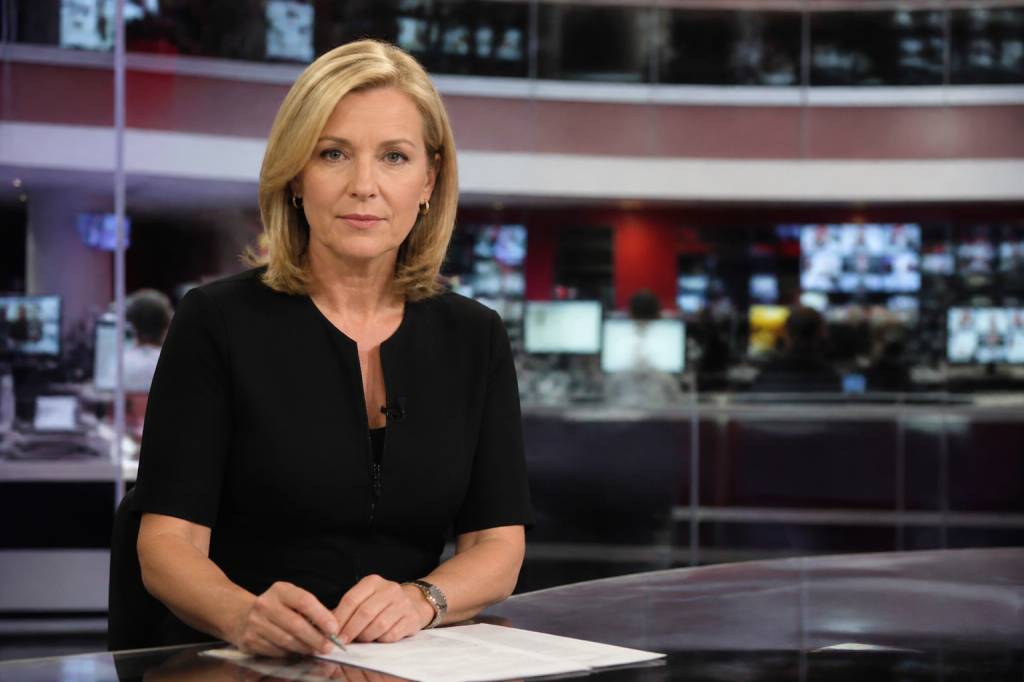
1 minute news bbc latest updates and headlines
If you want the fast version of the day’s news, BBC latest updates and headlines remain one of the most widely used reference points in the UK and beyond. The appeal is simple: quick summaries, broad coverage, and a format built for readers who want the essentials without wading through pages of commentary. In a news cycle that rarely pauses, that matters.
But “latest updates” can mean different things depending on where you’re looking and what you need. Are you after breaking political developments, market-moving business news, major health alerts, or the top stories shaping public debate? BBC coverage usually gives you a mix of all four, packaged in a way that is designed to be scanned in seconds and understood in minutes.
That speed is useful. It is also where readers need to stay alert. A headline tells you what happened. It does not always tell you why it matters, what changed overnight, or what comes next. That is why understanding how to read BBC headlines properly is as important as reading them quickly.
Why BBC headlines still matter in a crowded news market
The modern news reader has more choice than ever. Social platforms push alerts every few minutes, news apps refresh constantly, and live blogs can make even routine developments feel urgent. In that environment, BBC headlines still hold a particular value: they are widely trusted, generally concise, and usually grounded in a clear editorial standard.
For many readers, the BBC acts as a first checkpoint. It is where they go to verify what is actually happening before reacting to a post, a clip, or a trending claim elsewhere. That role has become more important, not less. When rumours travel faster than facts, a dependable headline service is more than convenient. It is practical.
There is also a structural advantage. BBC news updates are not restricted to one subject area. A single morning scan may include politics, business, international affairs, health, technology, sport, and culture. That breadth makes it easier to see how one story connects to another. For example, a government policy announcement may affect markets, public services, and household finances all at once. The BBC format helps readers track those links without needing to piece everything together from separate outlets.
What “1 minute news” really means for readers
The idea behind “1 minute news” is straightforward: deliver the core facts in a short, digestible form. In practice, that usually means a headline, a brief summary, and enough context to understand the basic development. No long detours. No unnecessary colour. Just the key information.
This format works well for readers on the move. A commuter on a train, a parent checking updates between tasks, or someone trying to stay informed during a busy workday does not always have time for a 2,000-word analysis. The value of a one-minute news style is that it respects attention without oversimplifying the story.
Still, brevity comes with a trade-off. Short updates are best for orientation, not full understanding. If the headline is about inflation, for instance, the important question is not just whether prices rose or fell. Readers also need to know what the numbers mean for wages, interest rates, borrowing, and household spending. A one-minute update gives the signal. The deeper reporting provides the substance.
That is why the smartest news habit is not to stop at the first line. Use the headline to identify the issue, then follow the story if it affects your work, finances, health, or community. In other words, let the quick update do the sorting, not the thinking.
The stories that usually dominate BBC latest updates
While the exact headlines change by the hour, BBC news updates tend to revolve around a familiar set of themes. These are the areas where developments are most likely to move quickly and have broad public impact.
- Politics: government announcements, election developments, parliamentary disputes, policy shifts, and leadership changes.
- Business: inflation, interest rates, jobs data, corporate results, energy prices, retail trends, and transport disruptions.
- Health: NHS pressures, public health guidance, disease outbreaks, medical research, and waiting list updates.
- Technology: platform outages, AI regulation, cybersecurity incidents, and major product launches.
- Environment: weather alerts, flooding, climate policy, energy transition news, and local environmental concerns.
- Sports: match results, tournament updates, injuries, transfers, and off-field developments.
This spread matters because headline readers often arrive with one topic in mind but leave with a broader picture. A business story may reveal a political problem. A health report may expose a funding issue. A tech update may raise legal questions. Good news coverage does not just hand you a list of events; it shows how the pieces fit.
How to read BBC updates without missing the point
Many readers skim headlines and move on. That is understandable, but it can be misleading. A well-written headline is a summary, not the full story. To get more from BBC updates, it helps to read them with a few simple checks in mind.
- Look for the action: is this a policy announcement, a confirmed event, a warning, or a developing story?
- Check the timing: is it breaking news, a follow-up, or an update to an older story?
- Identify the source: are the facts coming from officials, witnesses, data, or a written statement?
- Separate fact from interpretation: does the story report what happened, or also explain what it might mean?
- Watch for missing context: a number or quote is useful only when you know what it compares to.
A simple example: “Government announces new transport funding.” That tells you something happened. It does not tell you whether the funding is new money, reallocated money, or a repackaged commitment from an earlier budget. The difference matters. So does the detail behind who benefits and who does not.
This is where BBC-style reporting often does its best work. The headline gets your attention, and the body of the report fills in the detail. Readers who stop at the headline alone are only getting half the value.
Why headlines can feel bigger than the story
One reason news updates attract so much attention is that headlines are designed to be immediate. They need to persuade you to click, tap, or keep reading. That creates a tension: the headline must be sharp enough to stand out, but accurate enough not to mislead.
This is not unique to the BBC. It is a feature of modern news consumption. But in a crowded feed, even a restrained headline can feel dramatic. A phrase like “urgent warning”, “major disruption”, or “record levels” naturally draws attention. The key is to ask whether the story supports the claim.
For example, if a report says there has been “major disruption” to travel, readers should look for the scale, location, and expected duration. Is it one line? One region? One hour? Or is it a sustained disruption affecting thousands of people? Those details change the significance of the headline completely.
That is also why it helps to compare how a story evolves during the day. Early updates are often thin on detail because facts are still emerging. Later versions tend to sharpen the picture. The first report might tell you that something happened. The later report often tells you why it happened and what happens next. In fast-moving news, patience is underrated.
What makes a BBC update useful in practical terms
For the average reader, a useful news update is one that helps you decide what to do next. Not every story requires action, but many do require awareness. A weather alert may change your travel plans. A health update may affect someone in your household. An interest rate decision may influence borrowing costs. A cyber incident may prompt caution around passwords or service access.
That is where BBC latest headlines tend to be strong: they give readers enough information to act on the news if needed. The coverage is generally broad enough to alert you to developments outside your own bubble. If you only follow one sector, you can miss the ripple effects. If you only follow social media, you can end up with noise instead of news.
There is a reason many people use BBC updates as a morning and evening checkpoint. Morning headlines set the agenda for the day. Evening headlines show what changed, what broke, and what remains unresolved. That rhythm helps readers stay grounded in a cycle that can otherwise feel chaotic.
The best use of short-form news: start here, then go deeper
Short-form news is not a substitute for serious reporting. It is the entry point. The goal is not to know everything instantly. The goal is to know enough to decide what deserves your attention.
That is especially important in stories with real-world consequences. A headline about a budget change may affect a business owner differently from a homeowner. A health story may matter more to a vulnerable patient than to someone reading casually. A technology update about AI regulation may sound abstract until it touches the systems people use at work.
The smartest way to use BBC latest updates is to treat them as a map, not the destination. They help you locate the story, understand its direction, and decide whether you need a deeper read. That is efficient news consumption, not lazy news consumption.
And yes, there is a certain irony in the fact that the more information we get, the more valuable concise reporting becomes. The trick is not finding more headlines. It is finding the right ones, then asking the right questions.
What readers should watch for next
In a fast news environment, the real story is often the update after the update. Early headlines can be accurate but incomplete. Later reports may change the emphasis, confirm new details, or correct assumptions that seemed reasonable at first.
For BBC readers, that means looking beyond the immediate headline and tracking how stories develop across the day. A political statement may lead to market reaction. A business result may trigger job concerns. A health update may lead to official guidance. A sports result may spark wider debate about management, funding, or performance.
That is what makes daily news coverage useful when it is done well. It does not just tell you what happened. It helps you understand the sequence, the context, and the consequences. In a news cycle that rarely sits still, that is the difference between being informed and simply being updated.
If you are checking BBC latest updates and headlines for a quick sense of the day, keep the habit. Just make it a disciplined one. Read fast, but think carefully. Scan the headline, then ask what sits behind it. That small shift turns a one-minute update into something far more valuable: a clear view of what matters now.