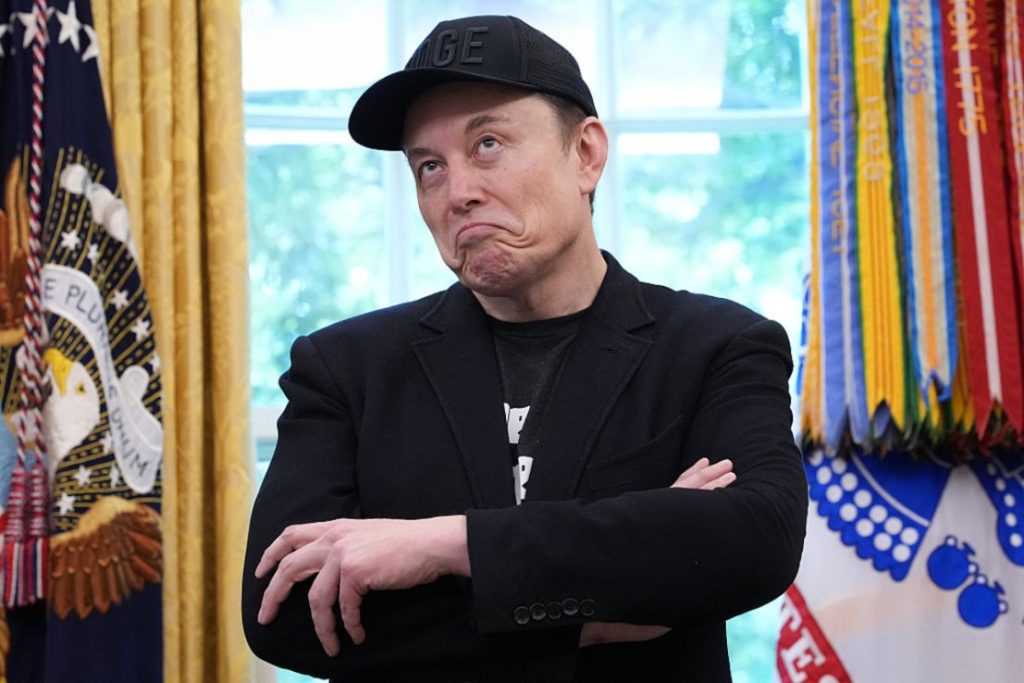
Elon Musk’s decision to move forward with a courtroom battle against OpenAI—and, to a lesser extent, Microsoft—has elevated what began as a dispute over mission and governance into a potentially landmark trial about the governance of AI, the promises of nonprofit ventures, and how startups evolve when capital gets involved. A US judge has denied OpenAI and Microsoft’s last attempt to block the suit, meaning a jury trial will go ahead late April in the Northern District of California. The scene is now set for an intense public airing of internal emails, strategic choices and competing narratives about what OpenAI was supposed to be.
The core of Musk’s claim
Musk argues that OpenAI strayed from the commitments that motivated his early support. When OpenAI was founded in 2015, it presented itself as a mission‑driven organisation: non‑profit in structure and committed to open‑sourcing its research for the public good. Musk, who donated $38m to the project and was involved in its earliest moments, says those two pillars—nonprofit status and openness—were non‑negotiable to him. According to the complaint, OpenAI’s leadership quietly abandoned those promises as it pursued massive commercial partnerships and internal restructuring that concentrated economic upside among executives and investors.
Evidence to be contested at trial
Judge Yvonne Gonzalez Rogers’ decision to allow the case to proceed rests in part on internal communications. Emails from 2017 cited in court suggest key figures at OpenAI privately discussed changing the company’s structure and strategy. The contrast between public assurances and private deliberations is at the heart of Musk’s allegation: if leaders promised Musk the organisation would remain nonprofit and open, and later changed course, Musk contends he was misled.
What Microsoft’s role looks like
The court has also allowed Musk to pursue claims against Microsoft, though not all claims survived. Evidence presented to the judge suggested Microsoft may have been aware of OpenAI’s shift and helped finance or enable that transition. Microsoft’s later investment and ownership stake—especially in the restructuring that gave Microsoft a large economic position in OpenAI—will be scrutinised. The judge, however, threw out the unjust enrichment claim against Microsoft for lack of contractual basis, even as the company’s commercial entanglement with OpenAI remains an important focal point.
High stakes for governance and precedent
At stake is more than money or grudges between founders. The trial will probe the legal and moral obligations that founders, boards and donors have when an entity markets itself as a nonprofit pursuing a public benefit. If the jury finds that OpenAI’s leaders misrepresented their intentions to early supporters, it could set a precedent that alters how mission‑oriented ventures handle transparency and structural change—particularly when those ventures shift into hybrid forms that combine nonprofit arms and profit‑driven subsidiaries.
OpenAI’s defence and strategic posture
OpenAI has called Musk’s suit “baseless” and framed it as part of an ongoing campaign of harassment. The organisation points to the legal structures it eventually adopted—preserving a nonprofit entity while creating a public benefit corporation—as an attempt to balance mission and the practical need to attract capital sufficient to build the technology safely. The company also insists it has established an OpenAI Foundation intended to fund and protect its public mission. At trial, OpenAI will seek to show that its restructuring was lawful, reasonable, and necessary to achieve its goals at scale.
Why this feud has been building for years
The clash is not new. Musk left OpenAI’s board in 2018, uncomfortable with the organisation’s trajectory, and later founded xAI in 2023—explicitly positioning his new venture as a rival. Tensions rose further when Musk reportedly made an unsolicited offer to acquire parts of OpenAI’s assets. Those strategic and personal ruptures have been simmering and are now boiling into a legal confrontation that will place behind‑the‑scenes communications and early governance decisions under a microscope.
Legal issues the jury will face
Broader implications for AI and the public interest
Beyond liability, the case will prompt public reflection on how we structure institutions that develop transformative technologies. The same energies that drive rapid AI development require massive funding, infrastructure and talent—things that often push organisations toward commercial models. Yet the potential societal impacts of AI place a premium on accountable governance, transparency and public trust. The trial will provide a rare, sustained window into those trade‑offs and the real difficulties organisations face when translating lofty, public‑oriented charters into long‑term, capital‑intensive operations.
What to expect during the trial
The courtroom showdown between Elon Musk, OpenAI and Microsoft will be about accountability as much as it is about control. For investors, technologists and policymakers, the trial will be more than entertainment; it will be a signal about how far legal obligations run when a mission‑driven initiative evolves amid vast commercial pressures. The verdict—and the facts revealed on the stand—could influence how future AI organisations choose structures, craft public assurances and invite donors to the table.