


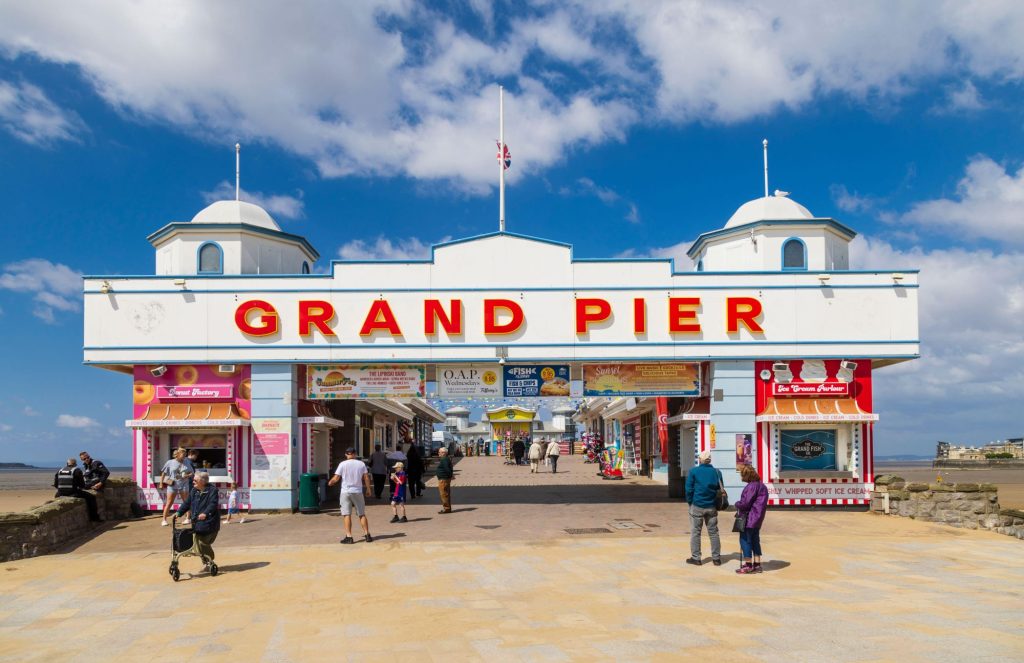
Britain’s seaside towns have long carried a stereotype: faded piers, aging populations and seasonal economies that struggle outside the summer months. But a quieter transformation is under way in places like Weston‑super‑Mare, Eastbourne and parts of Suffolk. The rise of remote working and the digital nomad lifestyle—accelerated by the pandemic—has brought new entrepreneurs, micro‑startups and tech freelancers to the coast. That infusion of talent and enterprise offers real hope, but it also exposes a fragile ecosystem that needs targeted support if revival is to be sustained.
From postcard decline to startup hubs
Weston‑super‑Mare provides a vivid snapshot. Once known for struggling tourism and social problems, the town now hosts The Hive, a business support centre that draws local tech founders, cybersecurity consultants and AI developers. The shift is not about one viral success: it’s about a lot of small businesses—often teams of one to four people—choosing a coastal base because housing is cheaper, quality of life appeals and connectivity allows them to work remotely.
Why coastal towns are attractive to digital founders
Notable successes and grassroots energy
Local initiatives and events have amplified the effect. In Weston, a cybersecurity conference held on the pier and a local R&D firm now collaborating with national agencies illustrate how serious clusters can build. The Hive’s ecosystem—offering free workspace and mentoring—helps fledgling firms grow and network locally rather than decamp to cities. Small successes breed confidence, and visible, local role models are crucial to attracting further entrepreneurship.
The uneven geography of revival
However, this renaissance is patchy. Research tracking online microbusiness growth shows stronger momentum in southern coastal areas—Suffolk, Bournemouth, parts of Devon—while northern seaside towns like Blackpool and Scarborough lag. Geography matters: southern towns often plug into commuter belts and higher‑growth cities, while more isolated towns face a harder climb. Infrastructure and access to talent remain critical differentiators.
Barriers that could stall the momentum
Policy moves and on‑the‑ground solutions
Government and local initiatives can make a difference. A recent coastal investment package aimed to boost jobs and skills in maritime and tech fields, signalling awareness at Whitehall. On the ground, repurposing empty retail units as flexible workspaces has proved an effective, low‑cost way to deliver affordable offices and draw daytime spending back into town centres.
Why coastal revival matters politically and socially
Reviving coastal economies is not just an economic project; it’s a civic one. Many coastal constituencies swung towards populist politics in recent years, driven by long‑running deprivation and lack of opportunity. If coastal tech and small‑business growth can be supported in ways that embed benefits locally—jobs, apprenticeships, services—this helps counter polarisation by creating tangible improvements in people’s daily lives.
risks and realistic expectations
It’s important to temper enthusiasm with realism. Startups alone will not undo decades of decline. Structural weaknesses—poor transport, patchy governance, lack of capital—cannot be fixed by remote workers alone. The funding environment for small businesses is tight, and rising running costs (taxes, compliance, wages) squeeze margins for micro‑firms. The goal should be a coordinated strategy that aligns housing, transport, training and business support so that new ventures have the scaffolding to grow rather than merely exist.
Practical signs of a sustainable future
The story of Britain’s coastal renaissance is a hopeful one—but it demands deliberate action. Digital nomads and remote entrepreneurs can be catalysts; whether they become the engineers of long‑term revival depends on investment in infrastructure, skills and local institutions. Where those pieces come together, seaside towns can evolve from seasonal postcards into year‑round places of innovation and community resilience.