UK inflation looked set to tick up in December after a period of easing, economists warned, with travel costs over the festive season and higher duties nudging the Consumer Prices Index (CPI) higher. While November’s sharp fall in inflation raised hopes of a sustained downtrend, December appears to have been volatile — and the timing of data collection will be critical in determining the final reading sent to the Office for National Statistics.
What drove the December bump
Analysts point to several short‑term factors that likely pushed headline inflation up. Airfares and hotel prices surged as demand for Christmas travel spiked: flight prices are estimated to have risen by around 30% between November and December in some measures. Accommodation costs also jumped, reflecting stronger seasonal bookings and higher occupancy rates. On top of that, higher tobacco duties added to the price pressure in the month.
Pantheon Macroeconomics expects CPI to have risen to about 3.3% in December, up from 3.2% in November. But Pantheon’s Rob Wood cautions that this does not mean the Bank of England can safely move to aggressive rate cuts; wage and price pressures remain stubborn enough to warrant caution.
How timing affects the data
One complication with December is the sensitivity of the CPI to when price collectors go out to capture data. Travel costs were particularly volatile across December, with prices peaking ahead of Christmas and partially easing afterward. Andrew Goodwin, chief UK economist at Oxford Economics, noted that the recent easing in the cost of living likely “temporarily halted” in December — and that the precise CPI outcome will depend on whether the ONS captured prices during the peak of holiday demand.
Goodwin’s model points to a possible rise to 3.6% if late‑month travel and accommodation price jumps are fully reflected. But other forecasters take a more benign view: Barclays, for example, expects the headline rate to have stayed unchanged at 3.2%, citing offsetting falls in energy inflation and relatively steady food and drink prices.
Food inflation remains a core concern
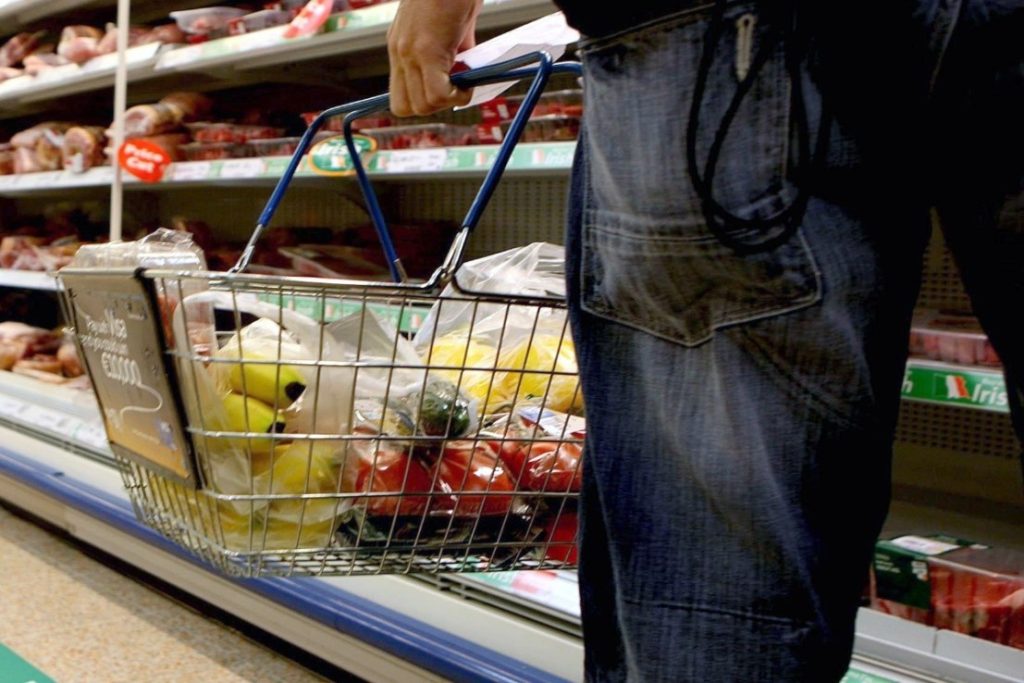
While travel and tobacco movements explain much of the month‑to‑month noise, food prices remain the single biggest pressure point for household budgets. Separate data from the British Retail Consortium (BRC) showed food inflation rising to 3.3% in December, up from 3.0% in November, with fresh food prices climbing to 3.8%. The BRC’s chief executive, Helen Dickinson, said retailers are doing their best to hold prices down, but warned that rising regulatory and public policy costs could keep food inflation “sticky.”
Household surveys underline the salience of grocery inflation: recent polling indicates that a very large share of the public sees grocery prices as the main indicator that the country’s economic situation is deteriorating. That perception, in turn, can feed into consumer expectations and wage demands — two channels that can make inflation more persistent.
Labour market slack and fiscal policy
On the upside, there are signs of easing pressure in the labour market that should gradually feed through to lower wage growth. Data reported by the Bank of England indicates firms’ expected wage growth has moderated, with survey respondents lowering their pay expectations for the coming year. The Bank’s decision‑makers’ panel suggested expected wage growth of around 3.7%, down from the 4.3% reported previously, though still elevated enough to give policymakers pause.
Meanwhile, November’s fiscal measures — viewed by some economists as mildly disinflationary — have reduced demand slightly. Victoria Scholar, head of investment at Interactive Investor, argued the chancellor’s package had a contractionary tilt that will help dampen inflationary pressures over time. Together with rising signs of slack, these forces argue for a gentle drift lower in inflation through 2026.
What the Bank of England will consider
The official CPI print due imminently will be scrutinised by the Monetary Policy Committee ahead of any decisions about interest rates. Forecasters broadly expect downward momentum over the year, but many also caution that a single volatile month should not be taken as a clear signal to pivot aggressively.
Pantheon’s Rob Wood suggested only one further Bank rate cut may be likely this year, reflecting continued underlying wage and price pressures. The Bank will also watch services inflation and indicators of inflation expectations closely: if food and services remain elevated, consumers may begin to expect higher prices persistently, complicating the move back to the Bank’s 2% target.
Regional and sectoral differences matter
Inflation is not uniform across the economy. The travel sector saw a clear seasonal spike; clothing and footwear, which had contributed to November’s fall, may have reversed some of that weakness in December. Meanwhile, shop price inflation outside food remains low, at roughly 0.7% in recent measures, suggesting that some retail categories are still competitive and cutting against headline inflation.
But services — including housing‑related and hospitality prices — remain an area to watch. If firms continue to pass on higher operating costs to consumers, this could maintain an elevated floor for inflation.
Outlook for consumers and markets
Markets and the public alike will be watching the ONS release closely: if December shows an uptick, it will be interpreted as a reminder that inflation remains vulnerable to short‑term shocks — a reality the Bank of England must factor into its careful calibration of monetary policy.