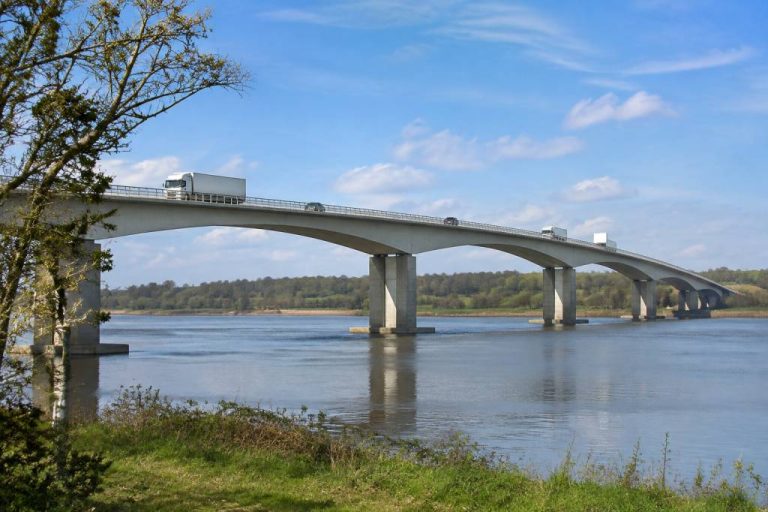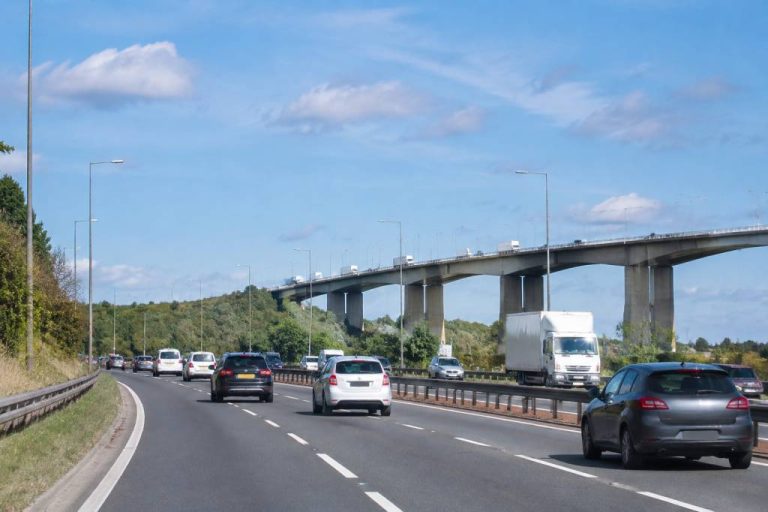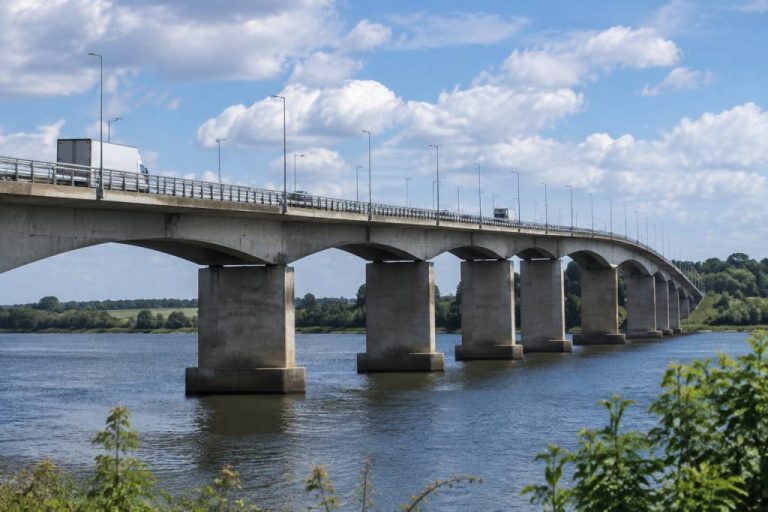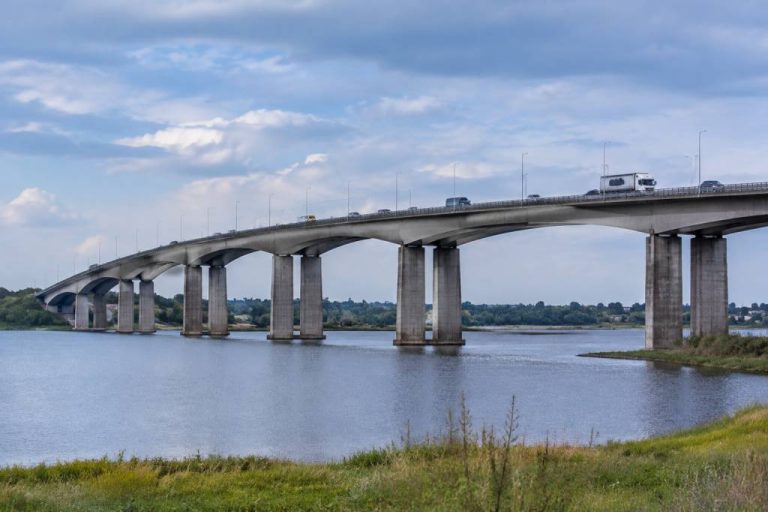
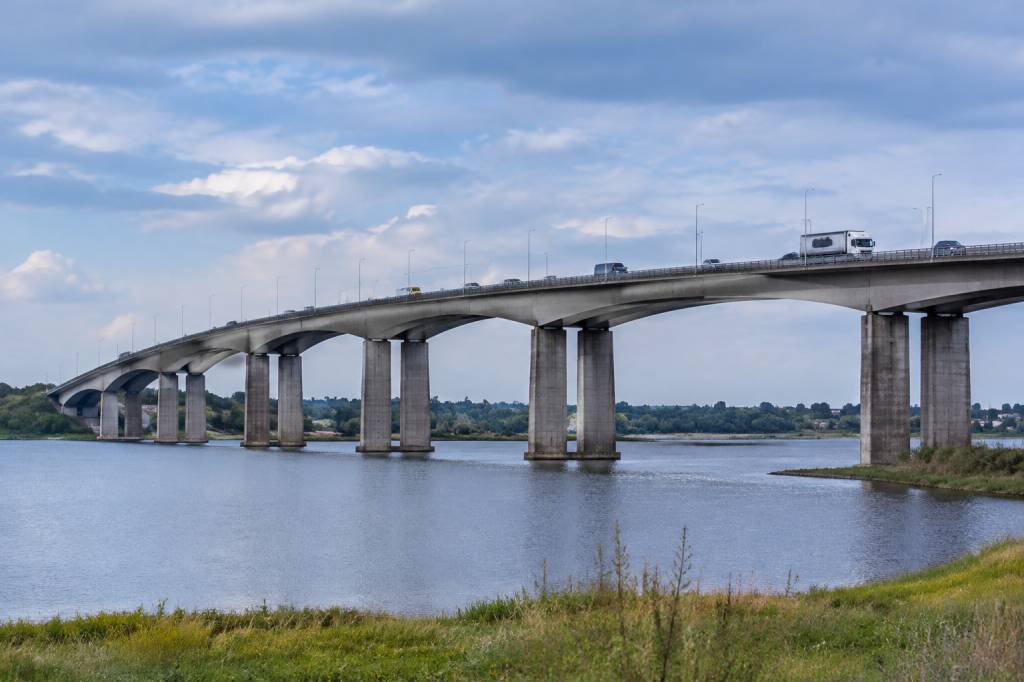
Is the Orwell Bridge open? Live traffic updates and closures
The Orwell Bridge is one of the most important links in Suffolk’s road network—and one of the first places drivers check when traffic around Ipswich starts to slow. But is it open right now? Bridge status can change quickly, particularly in strong winds, and a report that was accurate earlier in the day may already be out of date. Check a live traffic source before setting off; this article explains where to look, why closures happen and what to do if the crossing is unavailable.
How to check whether the Orwell Bridge is open
The Orwell Bridge carries the A14 over the River Orwell, east of Ipswich. It is part of a major route for local journeys and longer-distance traffic, so a closure can affect roads well beyond the bridge itself. For the latest status, use a live traffic service rather than relying on an old search result or a social media post with no time attached.
Useful sources include National Highways’ traffic information, live mapping and navigation apps, and updates from Suffolk Police or Suffolk County Council. Local radio, including BBC Radio Suffolk, may also report significant disruption. If you are travelling by bus, check with your operator: services may be delayed or diverted even when the bridge remains open.
Before leaving, confirm three things:
-
Whether the bridge is open, closed or subject to a restriction.
-
When the update was issued and whether it refers to the Orwell Bridge itself or nearby A14 roads.
-
Whether your route remains usable, including the approaches and junctions you need to reach.
Some traffic apps show slow-moving traffic without explaining the cause. A red line may mean congestion, roadworks or a collision—not necessarily a closure. Look for a specific incident notice before changing your route. If the information is unclear, check an official source and allow extra time.
Why the bridge sometimes closes
Strong winds are a key reason for restrictions on the Orwell Bridge. The crossing is exposed, and high winds can create hazardous conditions for some vehicles, especially high-sided vehicles that are more vulnerable to gusts. Depending on conditions, authorities may impose restrictions or close the bridge while they assess the risk. A closure is a safety measure, not a prediction that the bridge will be unavailable for the rest of the day.
Weather conditions can vary quickly. Wind strength may differ across the bridge, and forecasts do not always describe the conditions drivers will meet at a particular moment. That is why a bridge can be open in the morning and restricted later—or reopen after checks once conditions improve. Drivers should follow signs and official instructions rather than trying to judge the risk from a weather app alone.
Wind is not the only cause of disruption. Collisions, vehicle breakdowns, roadworks, debris or other safety concerns may affect the bridge or its approaches. An incident nearby can also create long queues while the crossing itself remains open. Check the wording of the traffic update carefully: “congestion on the A14” does not automatically mean “Orwell Bridge closed.”
What a closure means for Ipswich traffic
The bridge is a strategic part of the A14, which connects traffic travelling between the Midlands, East Anglia and the Port of Felixstowe. When the crossing closes, drivers may be directed onto alternative roads, but there is no simple detour that suits every journey. Local streets can become busy as navigation apps redirect motorists, while traffic on the wider network can build as through-traffic searches for another route.
That knock-on effect matters even if you do not need to cross the bridge. A closure can change journey times around Ipswich, affect access to nearby junctions and delay buses or deliveries. A route that looks clear on a map may take longer once extra traffic reaches its smaller roads. If you are travelling to an appointment, a shift or a time-sensitive connection, build in a margin rather than assuming the usual journey time still applies.
For drivers heading towards Felixstowe or travelling across the region, check the full route and the latest diversion advice. Do not follow a route simply because an app displays it as the fastest option. During a major closure, the fastest route can change from minute to minute, and local restrictions may make some roads unsuitable for through-traffic.
What to do if the bridge is closed
If the Orwell Bridge is closed, follow official diversion signs and directions from police or traffic officers. These are intended to manage traffic safely across the wider network. Avoid making sudden turns or stopping in a live lane to reconsider your route. If you need to change direction, do so at a safe, legal location.
Before choosing an alternative, consider whether you need to travel immediately. If the journey is not urgent, delaying departure until the closure is lifted may be simpler than joining a long diversion. If you must continue, check traffic conditions again just before setting off and, where possible, share your updated arrival time with the person expecting you.
Keep these practical points in mind:
-
Use a hands-free navigation system and set your route before moving.
-
Follow temporary signs even if your navigation app recommends a different road.
-
Allow extra time for queues and possible changes to the diversion.
-
Do not use residential streets as unofficial shortcuts unless they are part of the signed route.
-
If driving in severe weather, slow down and leave more space between vehicles.
Drivers of high-sided vehicles should pay particular attention to official wind warnings and restrictions. Do not attempt to cross if signs or authorities say your vehicle is prohibited. Waiting in a safe place is inconvenient; taking a chance on an exposed bridge is worse.
How to read traffic updates
Traffic reports are most useful when they give a location, a time and a clear description of what is happening. Look for details such as a full closure, a lane closure, a speed restriction or a diversion. These are different situations. A single lane being blocked may cause heavy delays without stopping all traffic, while a closure of the bridge itself requires a different plan.
Pay attention to how old an update is. A post shared widely may describe an incident that has already cleared. Conversely, a map may take time to reflect a new closure. If reports conflict, give priority to current instructions from the responsible authorities and to signs on the road.
It is also worth distinguishing a traffic forecast from a live incident report. A forecast can warn that journeys are likely to be busy, but it does not confirm whether the bridge is open at this moment. For a definite answer, seek a current status report from a reliable live source.
Planning around the Orwell Bridge
Regular users can reduce the chance of being caught out by checking conditions before their usual departure time, especially when strong winds are forecast. Keep more than one information source available: a navigation app can show the shape of congestion, while an official notice may explain the restriction behind it.
People travelling to work, school, medical appointments or the port should consider how much delay they can absorb. If a bridge closure would make you late, set off earlier when conditions are uncertain or agree on a backup plan. Employers and event organisers can help by sharing clear information about arrival times and alternative arrangements rather than leaving everyone to work it out in a queue.
For visitors, the simplest advice is to check the A14 and the Orwell Bridge as part of your route planning, not after you reach Ipswich. If your journey depends on a particular crossing time, verify the status shortly before departure and again before you approach the area. Conditions may change while you are on the road, so use a passenger to check updates or pull over safely before consulting your phone.
Is the Orwell Bridge open today?
There is no reliable way to give a lasting yes-or-no answer without checking live traffic information at the time you travel. The bridge may be open with normal traffic, open under restrictions, or temporarily closed. The situation can change with the weather or following an incident.
For the most useful answer, check a current official traffic update, confirm the time it was posted and review the route around Ipswich—not just the bridge itself. If the crossing is closed, follow signed diversions and allow for delays across the wider network. A few minutes spent checking before departure can save a much longer wait on the road.