


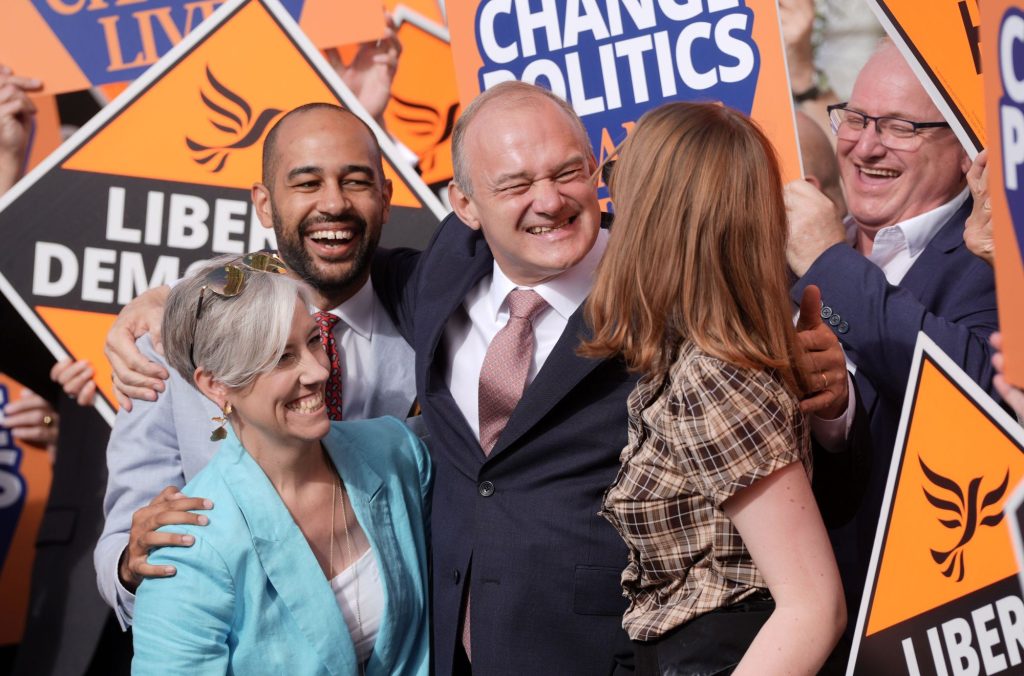
Lib Dems in Brighton: searching for purpose amid praise and restlessness
Brighton provided the usual stage for reflection and spectacle, but this year the Liberal Democrats’ conference felt less like a celebration of progress and more like a careful stocktake. After their breakthrough at the 2024 general election, the party now faces a familiar but urgent question: who are we for, and how do we make voters understand what we actually stand for beyond the “blue wall” seats?
Voices from the floor: pride, frustration and an identity gap
Conferencegoers were invited to write why they support the party. The answers ranged from high‑minded liberal principles — “because every voice and every vote matters” — to blunt dissatisfaction: “because it doesn’t need to be this st.” Those competing sentiments capture the mood in Brighton. On one hand, MPs and activists have cause for pride: after 2024 the party holds a sizeable parliamentary bloc and strong local bases in many southern constituencies. On the other, there is mounting frustration that momentum has not been converted into broader national resonance or sustained poll growth.
Leadership under pressure — but not on the brink
Ed Davey remains leader and, for now, his grip on the job looks secure. Yet voices of unease were audible. South Cotswolds MP Roz Savage publicly warned the party was “struggling for relevance,” urging a rediscovery of an “insurgent spirit” rather than comfortably managing the status quo. Inside conference rooms, colleagues debate whether the party has become “polite custodians” rather than ambitious reformers.
Talk of successors bubbled up: names such as Daisy Cooper, Lisa Smart and newer faces like Max Wilkinson were mentioned as potential future leaders. But several MPs pointed out the practical problem of name recognition; Davey’s years in the public eye give him an advantage that a new leader would lack, at least initially. So while the issue of leadership is alive as a subject of conversation, most delegates seemed to believe any change would be costly and unnecessary in the short term.
Policy, purpose and the challenge of cut‑through
The central criticism goes beyond individuals and hits at messaging and mission. The Lib Dems successfully targeted particular seats in 2024 — many of them former Conservative constituencies — but they have struggled to translate that success into a clear national purpose. Debate at Brighton ranged from the tactical (“we need better digital comms and content creators”) to the philosophical (“are we administrators or inspirers?”).
Speakers at the Social Liberal Forum event were frank. John Shreeve argued the party is excellent at delivery where it has capacity but poor at offering bold leadership or stirring narratives that capture the public imagination. Graham Neale of the Green Liberals accused the party of timidity on environment and taxation, and lamented a lack of coherent international stance that could have offered benefits in places such as London boroughs.
Young voice, old debates
Young Liberals chair Will Tennison made the point plainly: trading on debates about the EU may not excite younger voters. The party has to speak to bread‑and‑butter concerns — jobs, housing, opportunity — in ways that feel immediate and concrete. Tennison welcomed the expansion of digital capacity at HQ and the appointment of content creators, but the underlying question remains: can the Lib Dem brand be made appealing to new audiences without alienating the voters who already returned them to Parliament?
Organisational growing pains and the Britain Project
Insiders point to organisational strain. The expansion of the parliamentary party has not yet been matched by central infrastructure and a comms operation capable of scaling its message nationally. To address that deficit the party has hired James Holt as political director and brought in more content staff; Holt’s experience includes time in communications outside politics and his appointment signals intent to professionalise the party’s public voice.
Brighton also saw the launch of the Britain Project, a new liberal think‑tank intended to provide intellectual heft and fresh policy ideas. Ed Davey welcomed the initiative but stressed the think‑tank must challenge the party as much as serve it — a reminder that fresh ideas will matter more than recycling safe positions.
Choices ahead: coalitions, red lines and strategy
Davey has hinted at a pragmatic approach to government: willing to work with Labour but not to rule out other configurations in theory. Yet there is clarity among senior Lib Dems that some deals are off the table — notably any government that would leave the European Convention on Human Rights. Delegates suggested the party should publicly identify three non‑negotiable priorities (energy policy, Europe and electoral reform) ahead of any potential coalition bargaining, a tactical move intended to anchor their identity in voters’ minds.
Regional imbalance and the urban question
Another tension visible in Brighton is geography. Many Lib Dem MPs come from southern, previously Conservative areas — which skews the party’s focus and risks neglecting urban or northern strategies. Delegates from northern towns voiced frustration at perceived lack of outreach, warning that a national party must not appear to be exclusively centred on “blue wall” gains.
What success looks like
Brighton’s takeaway: acknowledgment and urgent work
The most significant outcome of the conference was not a dramatic policy pivot but a widespread acknowledgement that the party’s lack of public cut‑through is a real problem. That recognition — combined with hires, new projects and a reaffirmation of liberal values — represents the first step. The harder part will be delivering a coherent, inspirational proposition that persuades voters beyond pockets of local success. In an increasingly crowded political landscape, the Liberal Democrats’ next moves will need both clarity of purpose and the daring to present it in a way the broader public can grasp.