


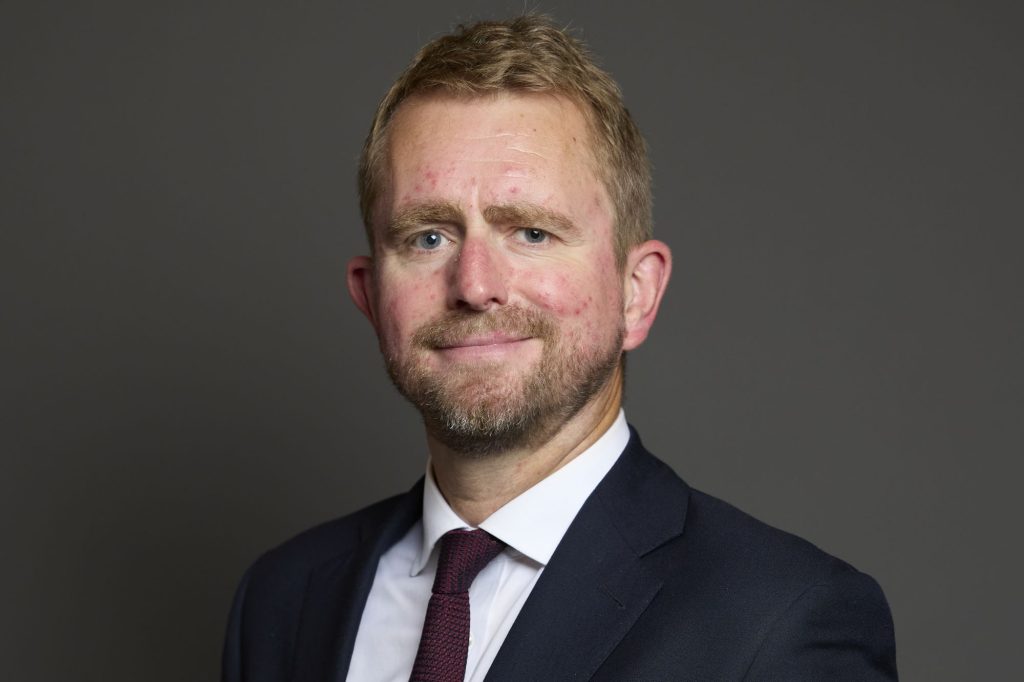
John Slinger’s warning that MPs are increasingly “self‑censoring” because of threats, abuse and intimidation is far from mere rhetoric — it points to a serious erosion in the conditions required for healthy democratic debate. The Rugby MP, speaking on the PoliticsHome podcast The Rundown, described abuse during the 2024 general election as “off the scale” and said the fallout is changing how parliamentarians handle difficult issues in public and in the Commons.
Abuse is no longer occasional: it shapes behaviour
Slinger’s testimony reflects a pattern that parliamentary bodies and security services have been tracking for years: politicians now face more frequent and more personalised hostility, delivered both face‑to‑face and through social media channels. This harassment is not evenly distributed. Evidence discussed at a cross‑party conference convened by the Speaker of the House of Commons pointed to a “normalisation” of intimidation, and data show women and ethnic minority MPs are disproportionately targeted.
Why self‑censorship is a real and worrying consequence
The decision to withhold views or avoid certain subjects is not trivial. Representatives who fear a “pile‑on” on social media, an abusive confrontation at a surgery, or threats in the street will inevitably think twice before tackling contentious topics — particularly those which generate extreme reactions. When personal safety and mental health are at stake, this is a humane reaction. But when it becomes widespread, the collateral damage is public: debates that once took place openly are muted, nuance gives way to caution, and the electorate sees less of the robust argumentation that underpins accountability.
Where the threats come from — and why they matter
Slinger pointed to a mixture of influences: “foreign state actors seeking to influence our democratic process” as well as domestic campaign groups that, he said, sometimes mistake intimidation for legitimate political behaviour. That combination is toxic. On one hand, coordinated disinformation and hostile influence campaigns can amplify divisions and escalate abuse. On the other, grassroots or single‑issue actors who cross legal or ethical lines can weaponise outrage and make normal constituent engagement feel like a minefield for MPs.
Security responses — necessary but incomplete
In response to growing risks, the state and parliamentary authorities have had to enhance protections: improved physical security at constituency events, better online safety guidance, and intelligence sharing aimed at detecting credible threats. But these measures address symptoms, not causes. They can shield individuals from direct harm but do little to restore the tone of public conversation or to reduce the volume of abuse on platforms where it proliferates.
Public education and platform accountability
Slinger suggested that public education campaigns about what constitutes acceptable behaviour might be part of the answer. Changing civic norms requires a sustained effort: schools, media, civil society and political parties need to promote civic literacy and model respectful engagement. Equally essential is holding the platforms — social networks and messaging services — to greater account for the design choices that enable mass abuse. Moderation, faster takedowns, and clearer reporting mechanisms are necessary, but so are transparency measures so researchers and regulators can see how and when harm is amplified.
The chilling effect on policy and representation
Each of these outcomes weakens democratic representation. If MPs feel constrained, constituents lose. If certain topics are effectively taboo because they spark abuse, there is less opportunity for reasoned persuasion and policy innovation.
Practical steps parliamentarians and parties can take
Balancing free speech and protection
The imperative to protect politicians from abuse must be balanced against the need for robust free speech. The danger is not the occasional row — politics is inherently adversarial — but the shift from adversarial debate to sustained campaigns of harassment that aim to silence. Policies intended to curb abuse must therefore be carefully targeted, with due process and clear definitions, to avoid stifling legitimate dissent.
Why this matters for democracy
Slinger’s stark phrase — “our democracy is being attacked” — is designed to shock, but it is grounded in observable trends. When officials tailor their words out of fear rather than conviction, the electorate receives a diluted version of representation. Repairing that requires more than security guards and better filters: it calls for a national conversation about civility, sustained pressure on platforms to reduce harm, and a political culture that refuses to normalise threats as an acceptable tactic.
Ultimately, defending democratic discourse means protecting those who speak for the public. If MPs retreat behind caution because the cost of engagement has become intolerable, the political system itself becomes less responsive, less transparent, and less able to solve the very problems for which it exists. Addressing abuse against politicians is therefore not a matter only for Westminster; it is a civic priority for the whole country.