


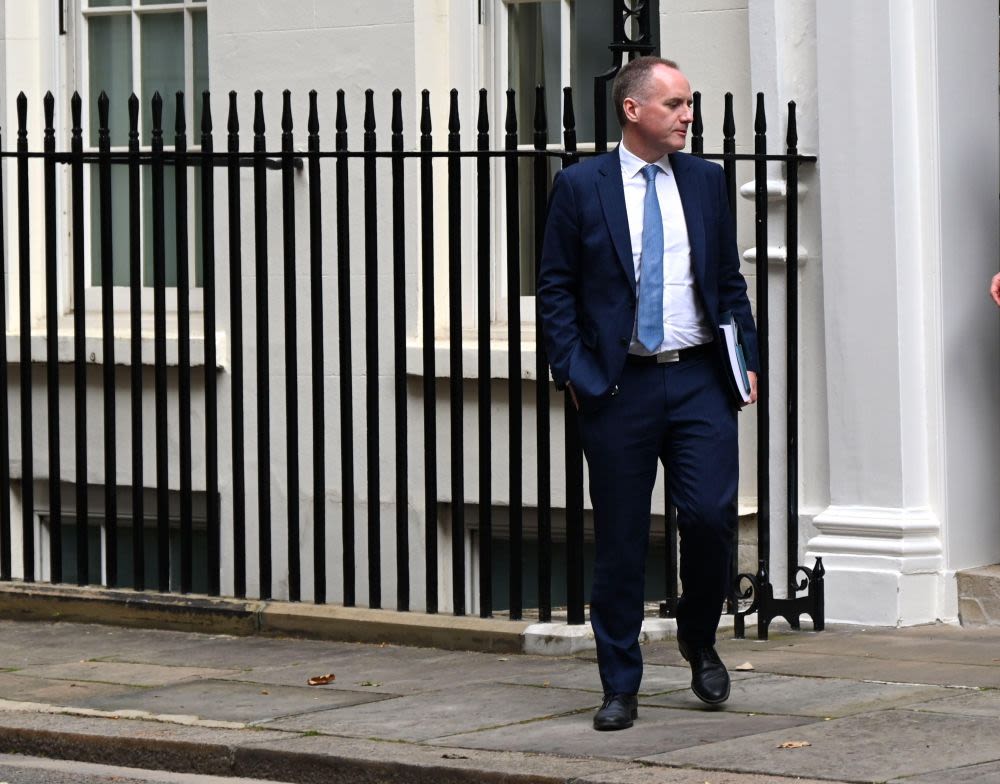
OBR chair Richard Hughes resigns after catastrophic Budget leak
Richard Hughes has stepped down as chair of the Office for Budget Responsibility after an investigation concluded the watchdog had accidentally published Budget details ahead of the Chancellor’s statement. The episode has been described in the inquiry as the “worst failure” in the OBR’s 15‑year history, and Hughes told ministers he would take responsibility and resign to help the organisation move on.
What happened
The OBR — the independent body responsible for fiscal forecasts and analysis — published material on its website that revealed key elements of Chancellor Rachel Reeves’s Budget before she announced them in Parliament. That premature publication prompted the OBR to commission an internal inquiry. The resulting report found the leak was not malicious but the product of two technical errors in the watchdog’s website setup. Nonetheless, the outcome has been judged extremely serious because the OBR’s credibility depends on absolute procedural care when handling sensitive, pre‑announcement material.
Hughes’s response
In a letter to the Chancellor and to the Treasury Committee chair, Hughes described the event as a “technical but serious error” and said he was stepping down so the OBR could “quickly regain and restore the confidence and esteem” it had built over fifteen years. He accepted that the organisation must overhaul how it publishes sensitive content and implement the inquiry’s recommendations.
Political fallout
The leak unleashed a wave of anger across Westminster. Many MPs — including Labour backbenchers — privately argued that the chair should be held to account, and pressure mounted on Hughes to resign. At the press conference following the publication of the inquiry, Prime Minister Keir Starmer called the episode a “serious error” and “massive discourtesy” to Parliament.
Critics across the political spectrum have been vociferous. Conservative leader Kemi Badenoch and Reform UK’s Nigel Farage both suggested the wrong person had stepped down, arguing that political responsibility should lie with the Chancellor. Badenoch in particular accused the government of using Hughes as a “human shield”. Such responses reflect the highly charged environment in which fiscal credibility is politically fraught.
How the inquiry described the failure
The investigation concluded that the leak arose from misconfigured website publishing processes rather than deliberate disclosure. Nevertheless, the inquiry’s language was stark: it called for a comprehensive overhaul of the OBR’s publication procedures to prevent any recurrence of accidental early releases of fiscal material. The recommendations include tighter controls around online publication, stronger operational checks and a review of the technical systems used to schedule and release reports.
Why this matters
The OBR’s role is to provide independent, impartial analysis of the public finances. Its forecasts underpin policy debate and market expectations. Any perception that the watchdog cannot control its own processes threatens the credibility of its analysis and, by extension, public trust in fiscal oversight. In a highly politicised environment — where markets and MPs watch every line of Budget analysis closely — procedural errors have outsized consequences.
Wider implications for the Treasury and government
Though the inquiry cleared the OBR of intentional wrongdoing, the episode has intensified scrutiny of the Treasury’s handling of Budget communications and the wider mechanics of how sensitive economic forecasts are managed ahead of official announcements. The government will now need to consider whether additional safeguards are required around access to and publication of OBR material, and how to ensure better coordination between the Treasury and its independent forecaster.
Next steps for the OBR
Hughes signalled confidence that the OBR could “restore the confidence and esteem” it had earned, but the organisation now faces the immediate task of demonstrating that it can follow through on those promises. For markets, MPs and the wider public, the coming weeks will be key to watching whether the OBR’s reforms are substantive and rapid enough to prevent a repeat.
Political reactions to watch
Expect sustained scrutiny from opposition parties, calls for clearer accountability mechanisms, and possibly fresh questions about the Chancellor’s role in overseeing sensitive fiscal processes. The debate may also prompt discussions in Parliament about how independent bodies manage classified or embargoed material and whether statutory safeguards need strengthening to avoid similar incidents in future.
For now, the OBR must concentrate on technical fixes and transparent process reform — and on reasserting its independence and reliability as the UK’s fiscal watchdog.