


Investigation brands OBR’s early Budget publication “worst failure” in its history
An independent inquiry has concluded that the Office for Budget Responsibility’s accidental publication of Budget material before Chancellor Rachel Reeves presented it to Parliament was a grave procedural failure — “the worst failure” in the watchdog’s 15‑year history, the report said. The finding prompted fresh political uproar and has set in motion a series of recommendations aimed at overhauling how the OBR handles time‑sensitive material.
What the investigation found
The inquiry determined the premature appearance of OBR analysis online was not the result of malicious action, foreign hacking or insider collusion. Instead, investigators traced the mishap to two configuration errors in the OBR’s website setup that removed protections preventing pre‑publication access. Because those publication procedures mirrored previous fiscal events, the report warned there may have been opportunities to access material early in the past as well.
Crucially, the inquiry concluded there is “no doubt” the failure damaged the OBR’s reputation and that “completely new arrangements” are required for publishing major, market‑sensitive documents. The authors urged a full review of whether the OBR should continue solo online publication or instead operate with a working party drawn from government technology and communications leadership to manage such releases.
Political reaction and immediate fallout
The premature disclosure triggered anger across Westminster. Prime Minister Keir Starmer labelled the event a “serious error” and a “massive discourtesy” to Parliament. Chancellor Rachel Reeves described the incident as “deeply disappointing” while delivering the Budget. Calls for accountability were loud and cross‑party, and public pressure quickly mounted on OBR leadership.
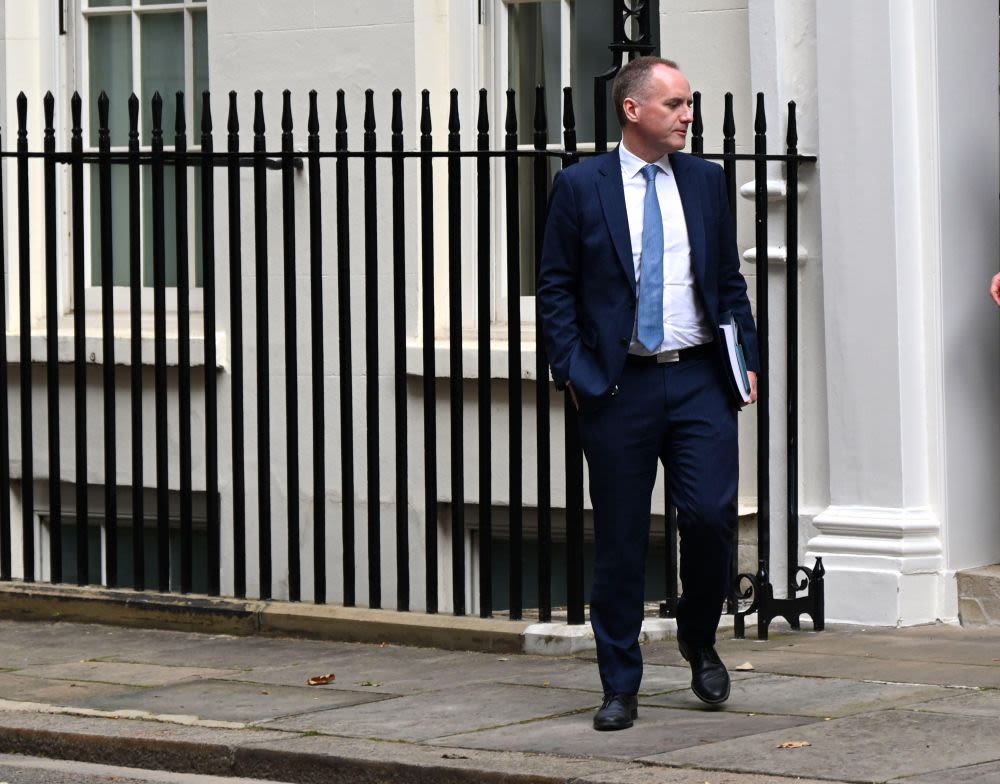
OBR chair Richard Hughes said he was “personally mortified” by the error and accepted responsibility. He had earlier indicated willingness to resign should the Chancellor lose confidence in his leadership. In light of the report’s scathing language and the breadth of parliamentary disquiet, Hughes subsequently announced his resignation, saying stepping down would help the organisation “quickly move on” and restore trust.
Technical cause and wider implications
The immediate technical cause was identified as misconfigured website protections that failed to keep embargoed documents hidden until the scheduled release time. The report stressed these were procedural failings rather than single‑person errors; nonetheless, the consequence — the public availability of sensitive fiscal forecasts — has wide implications.
The OBR’s forecasts inform markets, journalists and policymakers. Early access to such material can alter market behaviour and undermine the integrity of fiscal processes. The inquiry therefore called for an overhaul of publication systems and recommended closer coordination with government IT and communications teams to ensure more robust, shared handling of embargoed content.
Recommendations for reform
What this means for the OBR’s independence
The OBR’s independence rests on perceived impartiality and technical competence. While the inquiry absolved the organisation of intentional wrongdoing, the episode has nonetheless weakened public trust. Rebuilding that trust will require not only fixes to web systems but demonstrable procedural change and clear communication about safeguards. The report’s emphasis on joint working with government raises sensitive questions: how to preserve the OBR’s operational independence while ensuring secure, professional publication practices.
Broader lessons for government bodies
The incident highlights a wider challenge for public institutions that publish embargoed, market‑sensitive material. Technical systems and human procedures must be tightly aligned; a single technical misstep can have outsized political and market consequences. The inquiry’s call for cross‑government working parties recognises that publication of sensitive material is not purely a content issue but an operational one, requiring specialist IT, communications and cyber expertise.
Next steps
The Treasury has acknowledged the OBR’s report and said the Chief Secretary will respond in due course. Meanwhile, the OBR must implement the inquiry’s recommendations at pace to limit further reputational damage. Parliamentary scrutiny will continue: MPs will demand clear evidence of reform and assurances that embargoes cannot again be breached. For markets and observers, the focus will be on whether the OBR can demonstrate robust, new controls and restore the confidence that underpins its role as the UK’s fiscal arbiter.