


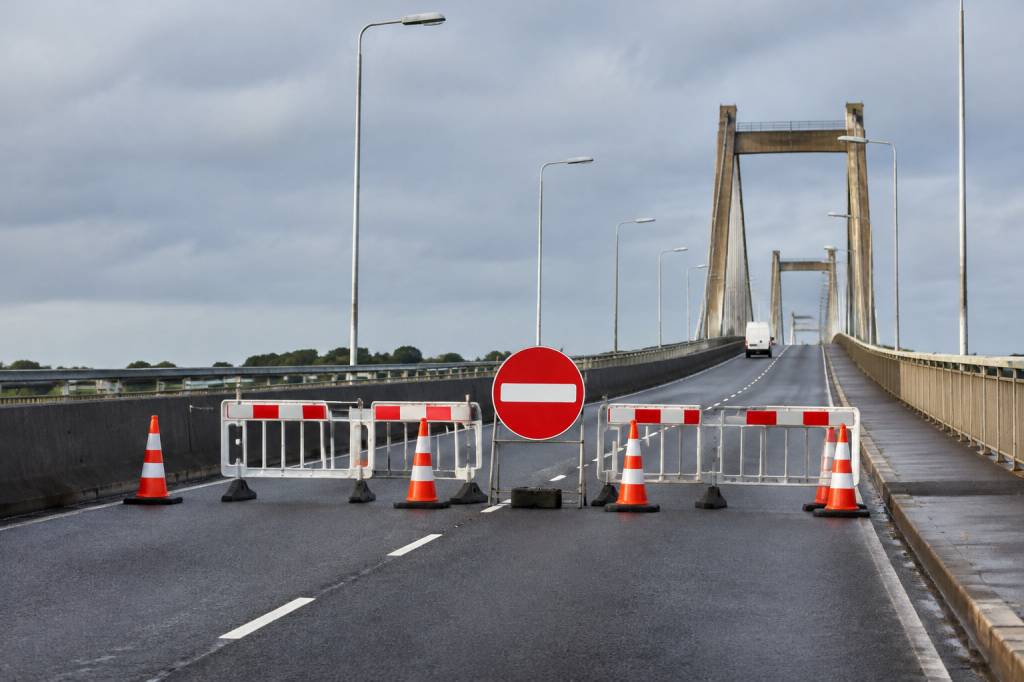
If you are travelling in or around Ipswich today, check the status of the Orwell Bridge before setting off. A closure can quickly affect journeys on the A14 and cause delays on roads across the town. But unless an official update confirms that the bridge is shut, do not assume it is closed: conditions and restrictions can change, and old posts on social media may no longer be accurate.
This guide explains where to find reliable updates, what to do if the bridge is closed, and how to plan a less stressful journey. It is general travel advice, not a live traffic feed. For the latest situation, check official sources immediately before you travel.
How to check whether the Orwell Bridge is closed
The Orwell Bridge carries the A14 across the River Orwell, south of Ipswich. It is a key link for local traffic and longer-distance journeys, so a full closure or restriction can have a noticeable effect on the wider road network.
For current information, check National Highways’ live traffic service and its official social media channels. Suffolk Constabulary and Suffolk County Council may also publish updates when an incident affects local roads. Local radio and news services can provide useful context, but check the time of publication: an update from earlier in the day may not describe conditions now.
Before leaving, look for details that answer four questions:
- Is the bridge fully closed, or are only some lanes affected?
- What caused the disruption, and is an estimated reopening time available?
- Are diversion routes in place, and which vehicles do they suit?
- Are there separate delays on roads you would use as an alternative?
Navigation apps can help you compare routes, but they should not be your only source. Apps may take time to reflect a new closure, and a suggested shortcut through residential streets may be unsuitable or prohibited for some vehicles. Follow signs and instructions from police or traffic officers, even if your phone recommends something different.
Why a closure can affect more than the A14
When the bridge is unavailable, traffic does not simply disappear. Drivers heading between Ipswich and destinations to the south or east may need to use other crossings or roads, depending on where they are travelling and the diversion in force. Local routes can then become busier, particularly during the morning and evening peaks.
The impact varies with the cause and duration of the disruption. A short closure for an incident may create a sudden queue that clears once the road reopens. A longer restriction can prompt more drivers to change routes, increasing pressure on roads around Ipswich. Even after the bridge reopens, traffic may take time to return to normal as queues disperse.
That is why “the bridge is open” does not always mean “the journey is clear”. Check the approach roads as well as the crossing itself, and allow extra time if you are travelling to an appointment, a shift, a school or a transport connection.
What to do if the bridge is closed
First, confirm the closure and read the official instructions. If a signed diversion is operating, follow it rather than improvising. Diversions are planned to guide traffic around the affected section, although they may add distance and take longer than expected.
Next, consider whether you need to travel at that time. If your journey is flexible, waiting for a verified update or travelling later may be simpler than joining a growing queue. If you must continue, use a navigation service for an overview, then check that its suggested route is consistent with road signs and official advice.
Keep enough fuel or battery charge for a slower journey, especially if you are travelling with children, older passengers or someone who needs regular breaks. If you rely on a timed booking, contact the destination as soon as a delay looks likely. A short call can be more useful than trying to make up time on unfamiliar roads.
Do not stop on the carriageway or use the hard shoulder except in an emergency or when directed by authorities. If you are already in a queue, leave room for emergency vehicles and avoid blocking junctions. A few minutes of patience can help responders reach an incident more quickly.
Choosing an alternative route
There is no single best alternative for every Orwell Bridge closure. The right route depends on your starting point, destination, vehicle and the reason for the closure. A route that works for a car heading to one part of Suffolk may be impractical for a lorry, a bus or someone travelling across town.
Check the diversion signs for restrictions and follow any instructions on vehicle access. Avoid sending large vehicles through narrow residential roads simply because a mapping app predicts a shorter journey. Inappropriate rat-running can create safety risks, disrupt local communities and leave drivers facing restrictions they did not anticipate.
If your trip is local to Ipswich, ask whether you can avoid crossing the river or passing near the affected approaches altogether. Combining errands, changing a meeting location or using a different time window may be more effective than trying to find a clever route through already busy streets.
For longer journeys, compare the full trip rather than focusing only on the bridge. An alternative may involve a longer distance but steadier traffic. Another route may look shorter while relying on roads that are already congested. Check live conditions along the whole route before committing.
Advice for commuters, families and commercial drivers
Commuters: Check conditions before leaving home and again if your journey includes a change of transport. If you can work remotely or shift your start time, tell your employer early rather than waiting until you are already delayed. For regular trips, identify a realistic backup route in advance, but use it only when it is suitable and open.
Parents and carers: Build in extra time for school or childcare journeys and agree on a simple plan if you are delayed. If a pickup time is fixed, let the school or childcare provider know as soon as possible. Avoid checking your phone while driving; pull over safely or ask a passenger to monitor updates.
Bus and rail passengers: Check with your operator for service changes, because road disruption can affect buses even when train services are operating normally. If you are connecting to a train, allow a buffer and check the operator’s travel information before setting off. Do not assume that a ticket’s scheduled time reflects the current road situation.
Freight and delivery drivers: Use route information appropriate to your vehicle and follow restrictions shown on diversion signs. Tell dispatch or the customer about a delay early, and do not divert onto unsuitable roads to protect a delivery slot. Accurate updates help businesses adjust plans and reduce pressure to take unnecessary risks.
Driving safely in stop-start traffic
Queues around a major closure can be frustrating, but the conditions call for steady, predictable driving. Leave a safe gap, watch for sudden braking and do not weave between lanes to gain a few car lengths. Keep junctions clear, and do not use bus lanes or restricted routes unless signs permit it.
If traffic is stationary, resist the urge to use your phone to search for updates while driving. Set your route before departure, use hands-free functions only where lawful and safe, or ask a passenger to check. If you need to change your plan, stop somewhere safe first.
Weather can make disruption harder to manage. Rain, high winds or poor visibility may reduce speeds and affect conditions on exposed roads. Allow more time and increase your following distance. A route that is manageable in clear conditions may require extra care when the weather turns.
How to judge information online
When a closure affects a major crossing, old photographs and unverified claims can circulate quickly. Before sharing an update, check who posted it and when. Look for a named official source, a clear location and a time stamp. “Traffic is at a standstill” is less useful than a verified report stating which carriageway is affected and when it was last checked.
Be especially cautious with estimated reopening times. These can change as emergency services assess an incident or road crews carry out work. Treat an estimate as provisional, and check again before changing your route or making a time-sensitive decision.
It is also worth distinguishing between a full closure and a lane restriction. Both may cause delays, but they call for different travel choices. Read the details rather than relying on a headline or a notification that gives no location.
A practical checklist before you leave
- Check National Highways’ live traffic information and official updates.
- Confirm the direction and exact section affected.
- Review conditions on approach roads and possible diversion routes.
- Allow extra time and tell anyone expecting you if a delay is likely.
- Make sure your phone is charged, but do not handle it while driving.
- Follow signs and instructions from traffic officers over app suggestions.
The Orwell Bridge is an important part of Ipswich’s road network, so disruption can affect more than the immediate crossing. The most useful response is also the simplest: verify the latest information, choose a route suited to your journey and vehicle, and leave enough time to travel safely. Before you set off today, check the official updates again; a few minutes spent confirming conditions can save a much longer wait on the road.