


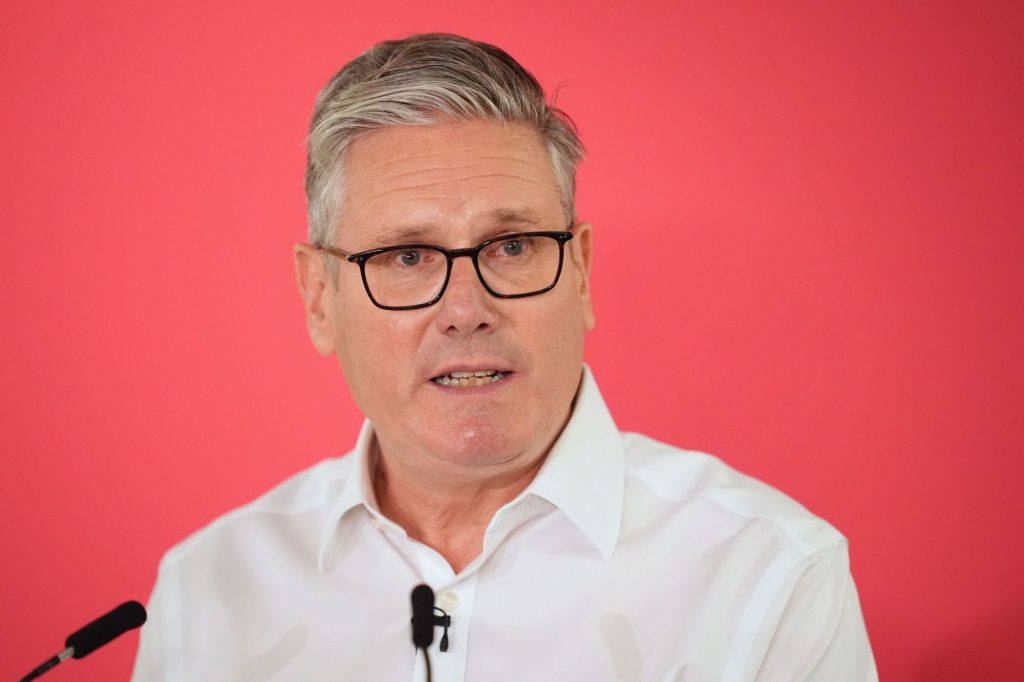
Keir Starmer’s grip on Downing Street is under intense pressure after more than 50 Labour MPs publicly demanded he set out a timetable for his resignation. The number of rebels calling for a leadership contest has grown rapidly, and the mood across the parliamentary party is febrile. At least 55 MPs have now asked for a timetable to elect a new leader, and former minister Catherine West is actively canvassing colleagues for support for a contest that would deliver a successor by September.
What prompted the rebellion
Several factors have combined to push backbench anger to breaking point. Central to the unrest is the leadership’s handling of Andy Burnham’s potential return to Westminster. The decision by Labour’s National Executive Committee to block Burnham from standing in the Gorton and Denton by‑election provoked fierce criticism from the party’s left‑leaning base and unions. At the Communications Workers Union conference, Angela Rayner publicly criticised the leadership and the NEC for preventing Burnham’s comeback, calling it “a mistake that the leadership of our party should put right”.
Many MPs now privately say that preventing Burnham’s return was a catastrophic misstep — one that could have been avoided with a single concession. Several backbenchers told PoliticsHome that allowing Burnham back would have strengthened the party and may even have saved Starmer’s premiership.
Starmer’s response and why it didn’t land
On Monday Starmer sought to steady the ship with a high‑profile speech that attempted to reassert Labour’s mission: to be the party of a “stronger and fairer” Britain. He pledged a tougher youth guarantee for jobs and apprenticeships, committed to nationalising British steel, and repeated an intention to bring Britain “closer to Europe” while emphasising red lines.
But the speech failed to reassure large parts of the parliamentary party. Even those MPs who have not yet publicly demanded his resignation expressed frustration and disappointment. For many, the speech felt detached from the bread-and‑butter issues that dominate voters’ lives — wages, cost of living, jobs, and security. Critics described the address as “uninspiring” and accused the leadership of talking to Guardian‑reading middle‑class audiences rather than to traditional Labour constituencies.
Who is calling for Starmer to step down?
The cross‑section of MPs calling for a timetable includes figures from various wings of the party: constituency MPs worried about electoral performance, members of the Blue Labour caucus, and backbenchers aligned with the soft left who have long urged a more left‑of‑centre offering. Named figures include Milton Keynes North MP Chris Curtis, co‑chair of the Labour Growth Group, and North Northumberland MP David Smith.
Some senior Labour figures have also signalled unease about the direction of travel. Culture Secretary Lisa Nandy publicly praised Andy Burnham, calling him “a politician who goes out and fights for people” and asserting that his presence in Westminster would be an asset. These public endorsements from senior colleagues have further fuelled the sense of an imminent leadership crisis.
Why this matters politically
Beyond the immediate personality and factional rows, the rebellion reflects a deeper anxiety within Labour about electoral strategy and identity. After poor results in recent local contests and gains by Reform in traditionally Labour areas, many MPs fear the party is politically adrift. Some argue Starmer’s centrist managerial approach — criticised as “tepid managerialism” in other commentary — no longer commands the confidence or energy needed to win convincingly in future national polls.
There is also a strategic risk: if the party continues to be riven by internal division, Labour could be severely weakened at the next general election. Opponents are already keen to frame the rows as evidence of incompetence and disunity, and Reform and other challengers sense an opening.
What could happen next
The mood across the Parliamentary Labour Party
Conversations in Westminster are urgent and often blunt. MPs who remain publicly loyal are telling journalists they are “unimpressed” and that they want urgent change. Some northern MPs have been particularly scathing, arguing that the leadership has failed to speak to the priorities of working‑class voters and has instead focused on policies appealing to metropolitan opinion formers.
At the same time, there are pragmatic voices who caution against a leadership fight that could further damage Labour’s standing. They argue that a carefully managed, short transition would allow the party to present unity and a refreshed platform to voters — but such a process requires Starmer’s willingness to step aside that many doubt he currently has.
Conclusion — the week ahead
The coming days will be decisive. If the list of MPs calling for a resignation continues to grow, pressure will mount on the prime minister to act. If enough senior figures formally demand a timetable, Downing Street will face one of the toughest internal crises in modern Labour history. For now, Starmer remains in office — but his political future looks uncertain, and the battle over the party’s direction is only just beginning.