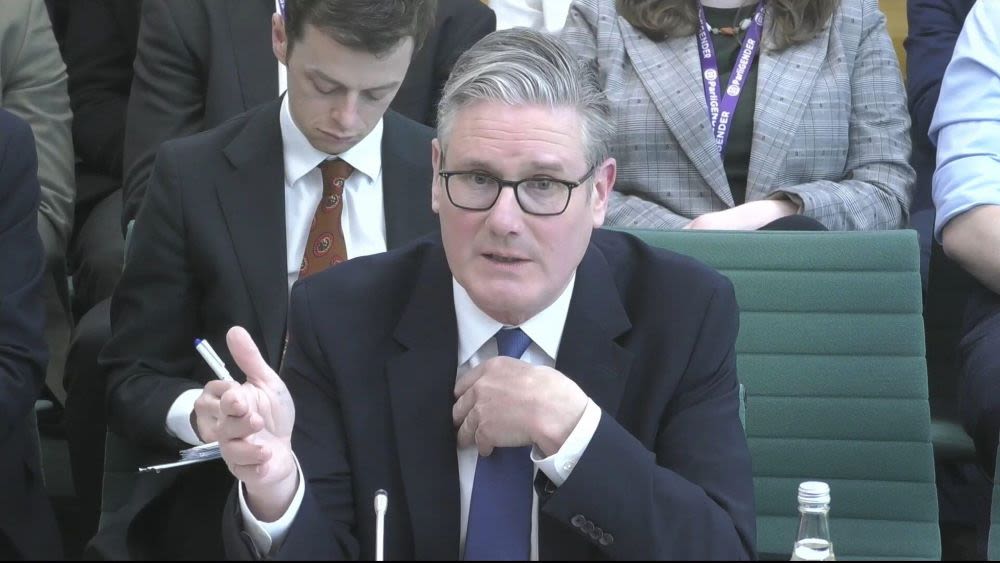
Keir Starmer told MPs bluntly that the UK must avoid the “false comfort” that the conflict involving Iran will be short‑lived, and that his government is preparing on the assumption “it could go on for some time.” Speaking to the House of Commons Liaison Committee, the Prime Minister set out both the immediate diplomatic priority — pushing for a negotiated resolution that imposes tough conditions on Iran — and the domestic economic work needed to shield households from the fallout of prolonged disruption to oil and gas supplies.
Planning for a protracted crisis
Starmer said he has been clear with his team that planning must reflect the possibility of a long conflict rather than a rapid end. That stance has practical consequences: the government will chair a COBRA meeting to assess the economic ramifications, attended by the Bank of England governor, as ministers weigh measures to blunt the impact of higher global energy prices on British families and businesses.
Targeted help rather than a universal package
When the UK faced energy shocks in 2022, the previous Conservative government opted for broad, universal support for households — a move Starmer described as “staggeringly expensive.” Though acutely aware of the state of the public finances, he signalled a preference for more targeted interventions this time, prioritising households most at risk from fuel poverty rather than repeating wide‑ranging subsidies.
The energy link: why the Iran conflict matters to UK bills
The current tensions have disrupted traffic through the Strait of Hormuz and raised the risk of attacks on shipping and Gulf energy infrastructure. Those threats have pushed Brent crude prices sharply higher, stoking warnings of a global economic shock. With Ofgem’s energy price cap due to expire in July, ministers are rightly focused on the possibility of substantial bill rises for UK consumers.
Diplomacy first — but not intervention
Starmer made clear the UK’s immediate priority is to support a negotiated settlement that imposes strict constraints on Iran’s nuclear capabilities. He reiterated that the conflict is not Britain’s war and that the UK will not be drawn into offensive strikes alongside the US and Israel. That line attempts to thread a needle: supporting de‑escalation while preparing domestically for lingering economic side‑effects.
Uncertainty and contingency
Crucially, the Prime Minister acknowledged the high degree of uncertainty. “We don’t yet know the extent of the challenge we’re facing because we don’t know when this conflict is going to come to an end,” he told MPs. That uncertainty underpins the government’s dual approach: pressing for swift diplomatic progress, while building contingency plans to protect the most vulnerable from energy price shocks.
Political context and international developments
The remarks came on a day of dramatic international diplomatic activity: US President Donald Trump delayed planned strikes on Iranian targets after what he described as “very good and productive conversations” with Tehran. The US‑Iran exchanges — and Iran’s subsequent denials that any deal had been struck — underline how volatile and fast‑moving the situation remains. Starmer emphasised the UK’s vigilance about developments but insisted the nation would not be drawn into direct military action.
What the UK must watch next
Starmer’s message to MPs and the public was twofold: pursue and press for a negotiated end to hostilities, but prepare pragmatically at home for a drawn‑out period of higher energy costs. The government’s next steps will test its ability to shield households without repeating the costly universal support of the past — a politically fraught and technically complex balancing act as international events continue to unfold.