


Tories propose “Back To Work” card to restrict how benefits are spent
The Conservative Party has unveiled a new element of its welfare overhaul: a “Back To Work” card that would be used to deliver reduced benefits to certain unemployed claimants and would block purchases of alcohol, cigarettes and gambling products. The proposal comes alongside plans to cut the amount paid to some unemployed people to 70% of the full Universal Credit rate — a move the party says will target those judged fit to work but who have been on benefits for more than six months.
How the scheme would operate
Under the Tory plan, claimants who have been on Universal Credit for over six months and are judged fit to work would receive a Subsistence Allowance equal to 70% of their normal payment. The reduced payment would be made via a designated “Back To Work” card that can be used to buy food and everyday goods but cannot be used to withdraw cash or purchase excluded items such as alcohol, cigarettes or bets.
The party says those who have worked for two years would be eligible for a year on the full Universal Credit rate, creating a tiered approach that rewards longer‐term employment history. The scheme is explicitly designed to exempt people who are sick, disabled or already in employment, according to party briefings.
Where the idea comes from
The concept is modelled on systems used in other countries, notably Australia, where certain welfare payments are disbursed on cards that restrict cash withdrawals and purchases in specified categories. The Conservatives argue such controls can prevent misuse of public funds while ensuring money is spent on essentials.
Cost savings and political rationale
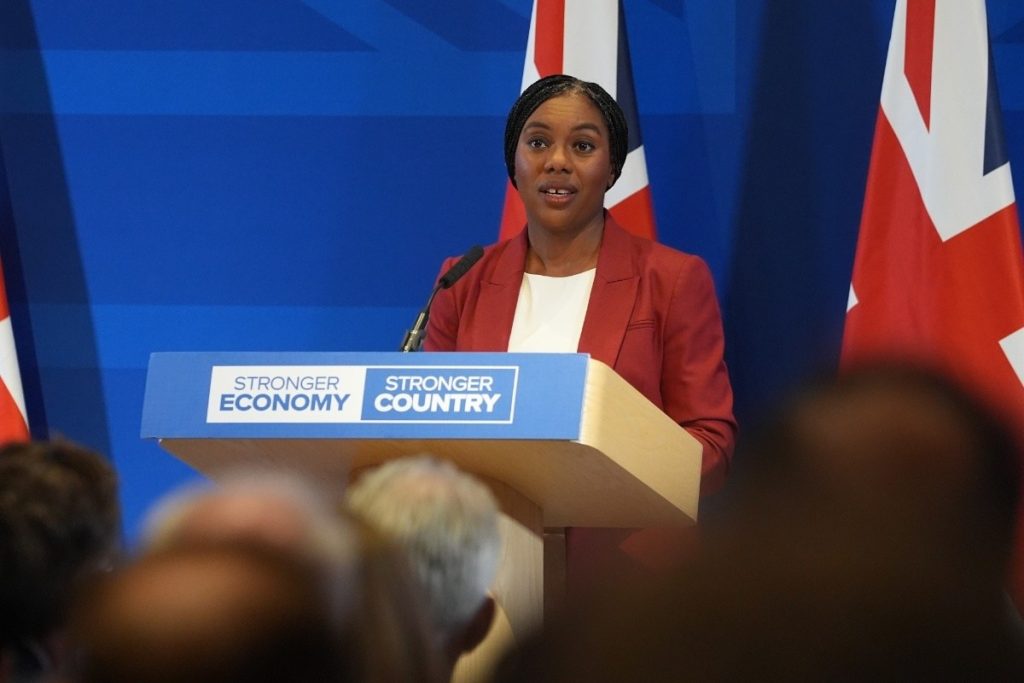
Party analysis suggests the measure would save taxpayers around £538m a year. Conservative leadership framed the policy as part of a drive to cut welfare spending and to ensure the system prioritises those who genuinely need support. Tory leader Kemi Badenoch said the party will be “tough on those who exploit the system” and insisted the change is necessary to protect workers and taxpayers.
Critics and broader context
The proposal has already drawn criticism across the political spectrum. Labour dismissed the plan as an opportunistic measure that fails to grapple with the deeper causes of long‑term unemployment, arguing the Conservatives have had years to reform welfare and now offer “an unworkable new card scheme.” Reform UK’s Robert Jenrick described the measure as a small, symbolic fix that will not materially reduce future welfare costs.
Campaigners and welfare experts are also likely to raise concerns. Critics typically argue that restricting how people can spend money can stigmatise recipients, introduce administrative complexity, and fail to address structural problems such as lack of affordable housing, low pay or regional job shortages.
Practical and ethical questions
How claimants would be affected
An unemployed adult moved onto the Subsistence Allowance would receive 70% of the standard Universal Credit rate on the card rather than cash. The government argues this directs funds to essentials and prevents misuse. For people in volatile circumstances — for example, those with sudden bills or irregular housing costs — lack of access to cash may create hardships. The card would also restrict cash withdrawals, which could complicate transactions for some households and small businesses that rely on cash.
Wider policy package
The card is one piece in a broader package of welfare changes the Conservatives are proposing, including rescinding disability payments for certain low‑level mental health conditions and reintroducing the two‑child benefit cap. The overall plan aims to reduce the welfare bill substantially, though the party’s projected savings are smaller than some rival proposals. Opponents argue the package risks pushing vulnerable people further into hardship without delivering the promised long‑term reductions in dependency.
Political implications
For the Conservatives this measure is both a fiscal and a political gambit: it signals toughness on welfare ahead of a contested fiscal period and provides a visible policy that can be pitched as protecting taxpayers. For opponents, it offers a target for critiques about fairness and compassion in social policy. The debate will hinge on whether the public views restrictions as reasonable measures to curb abuse, or as punitive steps that overlook the economic realities many claimants face.