10 benefits of cold showers for better health and recovery
Cold showers have become a habit for athletes, biohackers, and anyone willing to test their tolerance for discomfort before breakfast. The appeal is simple: a short blast of cold water, a stronger sense of alertness, and the promise of real health benefits. But beyond the social media noise, what does the evidence actually suggest?
The short answer is that cold showers are not a miracle cure. They will not replace sleep, exercise, or proper recovery. But used sensibly, they may support circulation, reduce the feeling of soreness after training, improve alertness, and help some people build better resilience to stress. For a routine that takes only a few minutes and costs nothing, that is not a bad return.
Here are ten practical benefits often linked to cold showers, along with what they may mean in everyday life.
They can help you feel more alert
Cold water triggers an immediate physical response. Your breathing quickens, your heart rate rises, and your body gets a sharp signal that it needs to wake up. That reaction is one reason many people use cold showers in the morning instead of reaching for a second cup of coffee.
This effect is not complicated. Cold exposure stimulates the nervous system, which can make you feel more awake and focused for a period of time. If you have ever stepped into a cold shower after a short night of sleep, you already know the experience: it is not subtle.
They may improve circulation
Cold exposure causes blood vessels near the skin to narrow temporarily. When the body warms back up, those vessels widen again. That process may help stimulate circulation.
There is a reason cold and hot therapies are often paired in recovery routines. The alternating expansion and constriction of blood vessels can encourage blood flow, although the exact benefits vary from person to person. For someone who sits at a desk all day or has heavy training sessions, a circulation boost may be one reason to experiment with cold showers.
They can support recovery after exercise
Athletes often use cold water to reduce the feeling of muscle soreness after intense training or competition. Cold exposure may help limit inflammation in the short term, which is one reason ice baths and cold showers appear in recovery plans across endurance sports, football, and strength training.
That said, the science is mixed. Some studies suggest cold exposure can ease delayed-onset muscle soreness, while others show only modest effects. Still, for people who want a low-effort recovery tool after a hard workout, a brief cold shower can be a useful option.
Practical use matters here:
- Use it after especially intense sessions, not necessarily after every workout.
- Keep the exposure short, usually one to three minutes.
- Pair it with proper hydration, protein intake, and sleep, which do far more for recovery than cold water alone.
They may help reduce perceived soreness
Even when the biological effects are limited, the subjective effect can still matter. If a cold shower makes your legs feel less heavy after a run or your shoulders less stiff after lifting, that is a meaningful result for daily performance.
This is one of the more practical arguments in favor of cold showers: they may not change everything inside the body, but they can change how the body feels. For many people, that distinction is enough.
They can build mental resilience
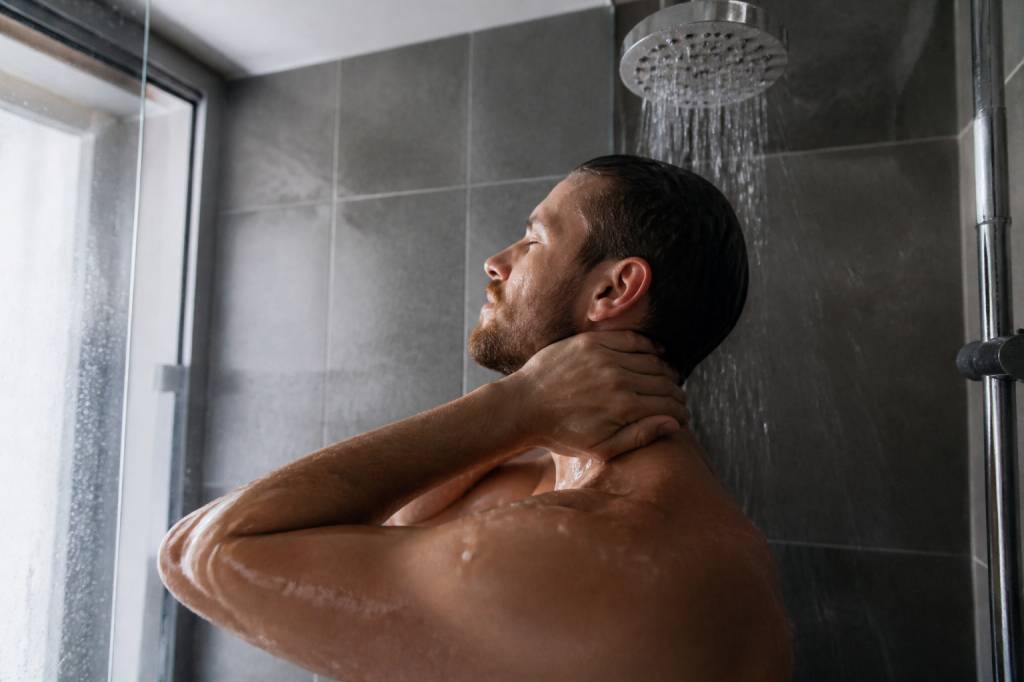
Standing under cold water requires a degree of control. Your first instinct is to tense up or step away. Staying calm, breathing steadily, and tolerating discomfort can become a small daily exercise in mental discipline.
That is part of the appeal. Cold showers are not just about physical recovery; they are also a way to practice coping with stress in a controlled setting. A difficult commute, a crowded train, or a demanding workday will not feel easier because of a cold shower, but the habit may help some people become more comfortable with short bursts of discomfort.
It is a modest form of stress training. Nothing dramatic. Just a useful reminder that discomfort is not the same as danger.
They may improve mood for some people
Many cold-shower users report feeling better afterward. That may come from the alertness effect, the sense of accomplishment, or the physiological response to cold exposure itself.
Some research has suggested that cold showers could help improve mood or reduce symptoms linked to low energy, although the evidence is not strong enough to make broad medical claims. Still, if a morning cold shower leaves you clearer, sharper, and less sluggish, that matters in real life.
There is also a psychological factor. Starting the day with a difficult task you willingly complete can set a useful tone. It is not therapy, but it can feel like a win before the day has properly started.
They may help the body adapt to stress
Cold exposure is a stressor, but a controlled one. The idea behind repeated exposure is that the body and mind may adapt over time, making short-term stress feel more manageable.
This is similar to training in general. A run stresses the cardiovascular system. Weightlifting stresses the muscles. Cold showers stress the thermoregulatory system. In each case, the body responds and adapts. The key word is “controlled.” The goal is adaptation, not shock for shock’s sake.
People new to cold showers often make the same mistake: they go too hard, too fast, and decide the whole idea is unbearable. A better approach is gradual exposure. Start with the final 15 to 30 seconds of a normal shower, then extend the time slowly.
They may support skin and hair conditions in some cases
Very hot showers can strip the skin of natural oils and may worsen dryness for some people. Cold water is less likely to do that. While this does not mean cold showers are a cure for skin issues, they may be gentler on the skin barrier than long, hot showers.
People with dry skin, irritation, or sensitive scalps sometimes find cooler water more comfortable. The effect will vary, of course, and anyone with a medical skin condition should follow advice from a clinician. Still, as a basic habit, avoiding overly hot water is often a sensible move.
They can help with post-workout routine consistency
Sometimes the benefit is not the water itself, but the routine built around it. A cold shower after a workout can become a cue that training is complete, recovery has begun, and it is time to refuel.
That kind of structure matters. Athletes and busy professionals alike perform better when recovery habits are consistent. A cold shower can become part of a broader routine that includes stretching, nutrition, hydration, and sleep preparation.
In other words, the shower is not the whole system. It is one signal inside the system.
They may help you feel more disciplined
Discipline is not a medical outcome, but it is often the reason people keep using cold showers. A daily habit that demands effort can reinforce the idea that you are capable of doing uncomfortable things on purpose.
That can spill into other areas: training, work, diet, or basic time management. Again, this is not magic. A cold shower will not suddenly make someone organized. But habits can shape identity, and identity shapes behaviour.
If you begin the morning by doing something difficult and finishing it, you may be more likely to carry that momentum into the rest of the day.
They are simple, cheap, and easy to test
One of the most overlooked benefits is how accessible cold showers are. No membership, no equipment, no long setup. You turn the tap, step in, and find out quickly whether the habit works for you.
That makes cold showers different from many wellness trends that require expensive devices or complicated routines. If the method helps, good. If it does not, you have lost very little time or money.
A simple trial can answer a few key questions:
- Do you feel more awake afterward?
- Do your muscles feel less stiff after training?
- Do you recover better when cold showers are part of your routine?
- Can you stick with it for two weeks without dreading the bathroom?
What to keep in mind before starting
Cold showers are not suitable for everyone. People with certain heart conditions, blood pressure issues, or circulation problems should speak to a doctor before making cold exposure a regular habit. Sudden cold can place stress on the cardiovascular system, especially in vulnerable individuals.
It is also worth being realistic about expectations. Cold showers may help with alertness and perceived recovery, but they are not a substitute for sleep, proper nutrition, medical treatment, or a sensible training plan. If you are exhausted, dehydrated, or injured, cold water is not the answer to everything.
A practical approach is often the best one:
- Start with short exposures.
- Use cold showers after training, or in the morning if you want alertness.
- Increase duration gradually.
- Stop if you feel dizzy, unwell, or unusually uncomfortable.
For many people, the value of cold showers lies in a combination of small effects rather than one dramatic result. A little more alertness. A bit less soreness. A stronger sense of control. Better consistency in a recovery routine. On their own, these may look modest. Put together, they can make a measurable difference.
That is why cold showers continue to attract attention long after the trend cycles fade. They are simple, accessible, and hard to ignore. Whether you see them as a recovery tool, a mental challenge, or just a rude awakening before work, they offer a straightforward way to test how your body responds to controlled stress. And unlike many wellness trends, you do not need a subscription to find out.