Negotiations aimed at calming the Middle East were dealt a severe blow on Monday as Iran announced it was pulling out of talks with the United States and warned it would retaliate if Israel struck Lebanese territory. The sudden collapse of dialogue came amid an escalation in hostilities after Israel signalled plans to hit the southern suburbs of Beirut following a deep incursion into southern Lebanon.
What happened
According to state‑affiliated Iranian media, Tehran has suspended “talks and exchange of texts through intermediaries” with Washington until Israel halts its operations in Gaza and Beirut. The statement followed an announcement by Israeli Prime Minister Benjamin Netanyahu ordering missile strikes against Beirut’s southern suburbs after the Israeli military seized a strategically significant position in southern Lebanon — its deepest advance into the country for decades.
Iran denounced both the incursion and Netanyahu’s decision as violations of a fragile regional ceasefire, and pledged to “hit back” at northern Israel if Lebanon is struck. Iran’s military even warned civilians in northern Israel to evacuate in case of reprisals, underlining how quickly the situation could spiral from localized fighting to a broader confrontation.
Military exchanges and wider escalation
The last 48 hours had already seen a sharp uptick in military activity. The United States said it carried out “self‑defence strikes” on several Iranian military sites after Iran downed an American drone. Those exchanges — US strikes on Iranian infrastructure and Iranian counter‑moves — marked a new, risky phase in a series of tit‑for‑tat actions between Washington and Tehran.
Now, with Israel expanding operations into Lebanon and Iran publicly threatening retaliation, the risk of a multi‑front regional war has materially increased. Analysts warn that miscalculation or rapid escalation could draw in other actors and turn a localized conflict into a much larger regional crisis.
Diplomatic fallout
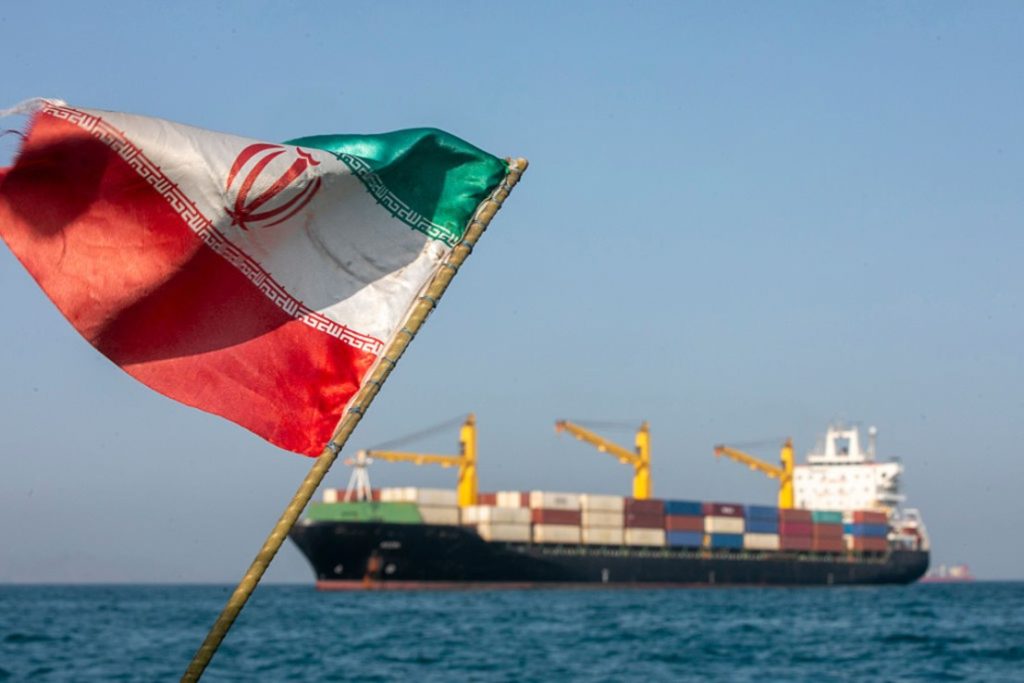
Until recently, diplomatic channels between Washington and Tehran appeared active, with reports last week suggesting negotiators were nearing an agreement on measures to de‑escalate across the Gulf and secure the Strait of Hormuz, a critical shipping lane. The abrupt Iranian withdrawal undermines those efforts and casts doubt on whether a deal can still be reached without immediate de‑escalation by Israel.
Former and current officials cautioned that diplomacy now faces an uphill battle. If Iran remains incommunicado while Israel continues operations in Lebanon, mediators will have limited leverage to broker ceasefires or secure confidence‑building measures. The suspension of talks also raises the prospect that back‑channel arrangements or incremental confidence measures will be shelved indefinitely.
Immediate economic impact
Markets reacted swiftly. Brent crude spiked back toward $97 a barrel on the news, reversing recent falls that had been driven by hopes of a diplomatic breakthrough. Equity markets were also affected: the FTSE 100 closed the trading session lower as investors fretted about supply‑side risks and wider geopolitical uncertainty.
Public statements and rhetoric
Former US president Donald Trump commented that Iran had not formally notified the US that it was suspending talks, but suggested that silence might be useful. “Going silent would be very good,” he said, while stressing his preference for pressure — “We’ll keep the blockade,” he added — rather than immediate large‑scale strikes. Washington has framed recent actions as defensive responses to direct threats, while Israel argues its strikes are necessary steps to neutralise threats from Hezbollah and other groups operating from Lebanon.
What this means for the region
What to watch next
Key indicators to monitor in the coming days include: whether Israel proceeds with the planned strikes on Beirut’s southern suburbs; any direct Iranian military action against Israeli territory; the tempo of US‑Iran exchanges; and whether international mediators can re‑open lines of communication. A single misinterpreted move — a strike that kills civilians, a downed aircraft, or a misfired missile — could rapidly change the trajectory from tense brinkmanship to open conflict.
For now, the region stands on a knife‑edge. Diplomatic channels that had been showing tentative signs of progress lie in tatters for the moment, markets reflect the renewed risk, and civilians remain the most vulnerable actors as military postures harden across multiple fronts.