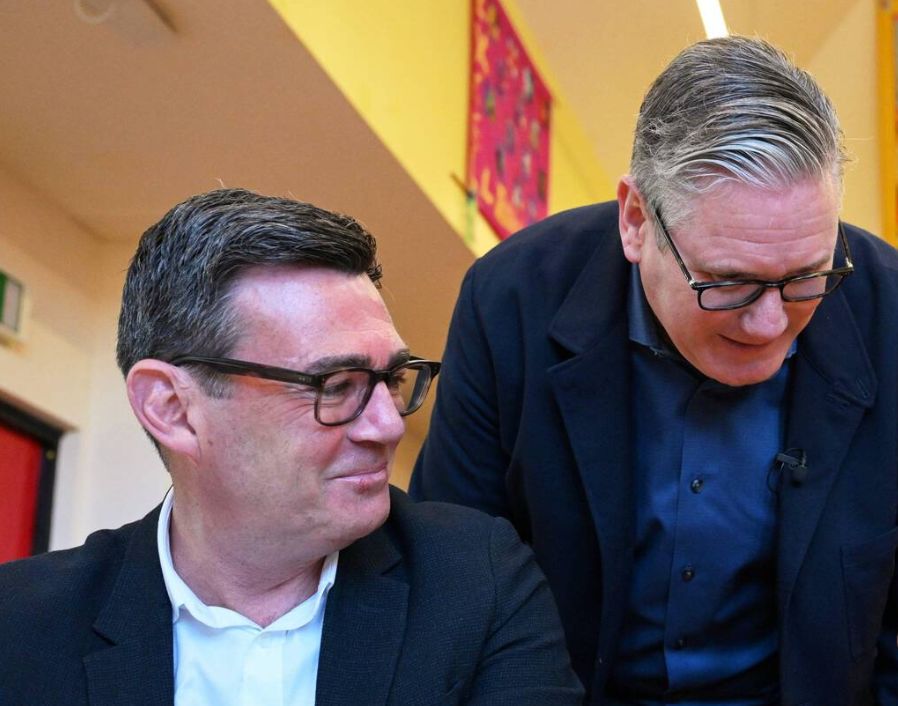
Keir Starmer has left no room for doubt: he will “100 per cent” back Andy Burnham in the forthcoming Makerfield by‑election. In a show of unity at Labour HQ, the Prime Minister pledged his full support for the candidate Labour selects to fight what he described as a straight contest between Labour and Reform UK. With the party’s ruling body drawing up a shortlist and local members set to vote this week, Burnham is widely tipped to be chosen — and Starmer made clear he wants every Labour member and supporter mobilised to secure victory.
Why Makerfield matters
The Makerfield by‑election is more than a local contest: it has taken on national significance. Starmer framed it as a simple binary choice — Labour versus Nigel Farage’s Reform UK — and urged the party to treat it as a test of Labour’s ability to hold off the insurgent right. The Prime Minister’s message was straightforward: win here, and you blunt Reform’s momentum; lose, and the narrative of Labour underperforming will deepen.
Starmer’s tone: urgent, focused, defensive
At Labour HQ, Starmer admitted the party has had “not been easy” last ten days. Local election results, he warned, have shown that many voters do not yet feel the benefits of a Labour government. His emphasis was on urgency and delivery. “We need to build up the urgency of what we do,” he said, invoking the mandate Labour won in July 2024 and reminding activists that the job remains to deliver change for the “very many”.
Burnham’s candidacy and its wider implications
Andy Burnham’s expected selection is notable for several reasons. He is a high‑profile figure with strong roots in the north of England and a track record as a mayor who appeals beyond the party’s traditional base. But his prominence also feeds speculation: a successful return to Parliament could position him as a serious contender for future Labour leadership contests. Betting markets already list him among favourites to replace Starmer, should political dynamics shift.
The Gorton precedent and cost of internal disputes
Starmer pointed to the controversy earlier this year when Burnham was blocked from standing in the Gorton and Denton by‑election. That episode, he warned, could have prompted a costly mayoral rerun in Manchester — an eventuality he estimated could have cost taxpayers at least £4 million. The implied message was one of lessons learned: the party must be pragmatic and avoid internecine fights that hand advantage to opponents.
What Starmer wants from Labour members
The Prime Minister’s call to action was explicit: all Labour members and associates should back Burnham and do what is necessary to defeat Reform UK. “A Labour candidate to beat Reform. That is the fight that we are in,” he told activists. The aim is to concentrate resources and activism on a single objective — holding the seat for Labour and denying Reform another headline victory.
Political context and leadership speculation
The backstory is unmistakable. The Labour government has faced a rocky spell of leadership speculation and local setbacks that have prompted questions about momentum and authority. While Starmer’s immediate concern is winning Makerfield, the presence of high‑profile figures like Burnham — with cross‑party appeal and an independent political brand — fuels ongoing leadership chatter. A by‑election victory would enhance Burnham’s profile; a poor showing would exacerbate criticisms of Labour’s direction.
Practicalities: selection process and timeline
Labour’s National Executive Committee has indicated it will not block Burnham’s candidacy, clearing the path for his likely selection. The party’s ruling body will formalise the shortlist this week, and local members will cast their votes on Thursday. Once selected, the campaign will move quickly. Labour wants a united front, rapid mobilisation and a clear message focused on local issues and national competence.
Why the outcome will be watched closely
Starmer’s intervention demonstrates the high stakes. By pledging “100 per cent” support for Burnham, he is attempting to close ranks, focus the party’s energy and reduce the chance of distraction. Whether that unity translates into a decisive result in Makerfield will tell us much about Labour’s capacity to steady itself in the face of political turbulence and to keep the insurgent momentum of Reform UK at bay.